Best-selling handmade items: 5 categories + 20 ideas (2026)
.png)
The best-selling handmade items for you depend on what fits your sourcing budget and what kind of skills you have. For instance, beginners often start with candles, sellers on a budget do well with bath bombs, and people with graphic design skills can create downloadable print art.
Learn which handmade items sell best on Etsy and Amazon Handmade, along with estimated startup costs and the typical prices you can charge for your finished products.
Best-selling handmade items: At a glance
| Category | Types | Startup cost | Selling price |
|---|---|---|---|
| 1. Beginner items | Candles, resin, coasters, totes, pet toys | $10–$60 | $5–$120+ |
| 2. Items with low startup costs | Bath bombs, scrubs, earrings, bracelets | $20–$60 | $7–$25 |
| 3. Digital products | Planners, journals, prints, quotes | $0–$23/month | $1–$100+ |
| 4. Items for repeat buyers | Lip balms, body butters, soaps | $20–$70 | $5–$20 |
| 5. High-profit items | Cutting boards, tapestries, crochet, embroidery | $20–$100 | $11–$300+ |
Best-selling handmade items for beginners
The best-selling handmade items for beginners, such as candles and resin trays, require simple tools, affordable materials, and basic crafting skills. These ideas keep startup costs low while offering strong demand, making them practical options for testing different crafts and earning your first sales online.
1. Seasonal candles
Seasonal scents create predictable buying patterns that candle makers use to earn consistent revenue year-round. Spring lavender, summer citrus, autumn spice, and winter pine attract buyers who purchase candles to match home décor.
Many customers prefer seasonal scents like “pumpkin spice” or “fresh pine” because they connect them with holidays and celebrations. You can source wax, wicks, oils, and scents for under $10 and sell seasonal candles on Etsy for $30 or more.
2. Resin trays
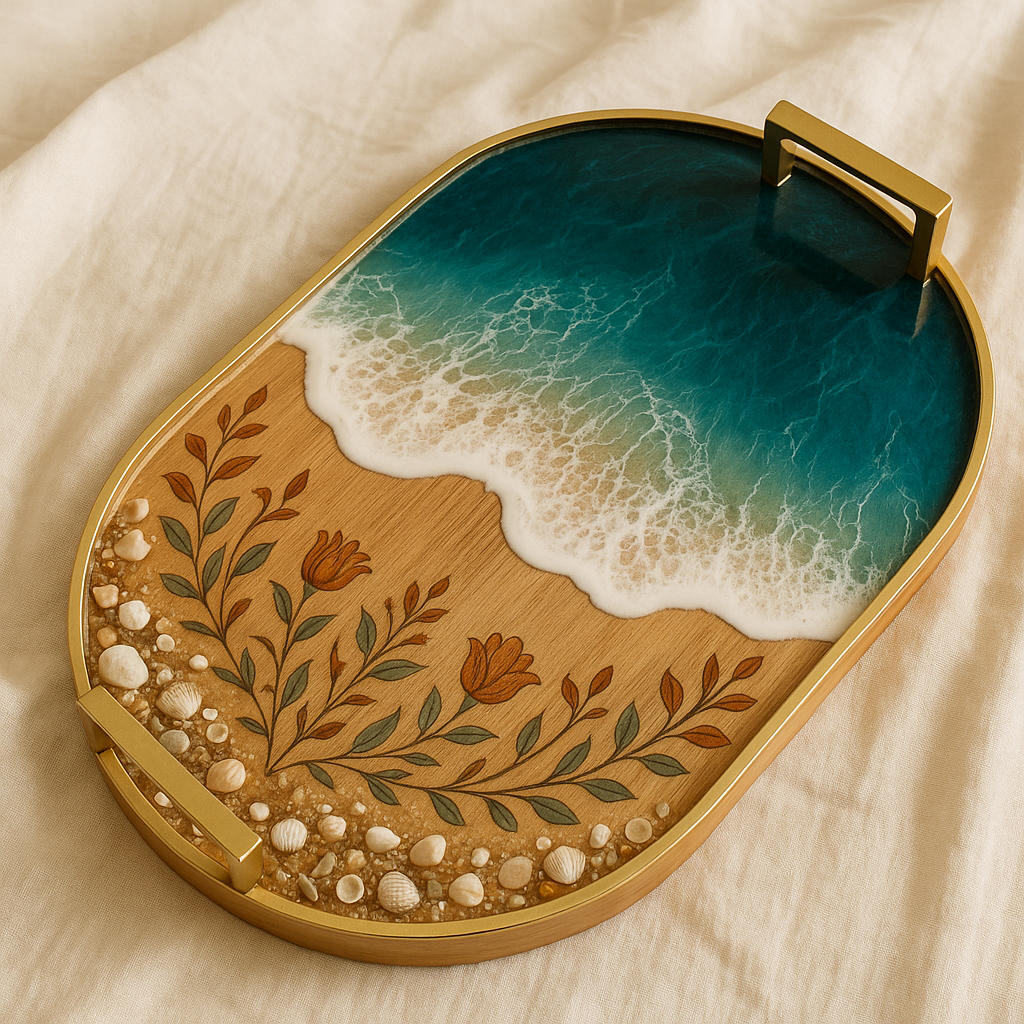
Resin trays attract buyers seeking storage that mimics marble or agate at affordable prices. Makers use dried flowers, gold leaf, or pigments to create patterns that attract buyers. A $30–$60 starter resin kit from Amazon, Michaels, or Hobby Lobby typically makes 3–6 medium-sized trays, depending on the mold size and resin depth.
Artisans use different colors of epoxy resin to give trays a glossy finish. These trays sell on eBay for under $20 to over $50 per piece.
3. Marble coasters
Marble-look coasters follow luxury home trends without the weight or cost of real stone. Use polymer clay, alcohol inks, or printed designs to create marble effects. Ceramic tiles protect furniture while adding sophistication to tables. A $40 starter investment can usually produce 12–20 coasters, depending on the materials and finish.
The classic marble look fits styles from modern to traditional, giving coasters broad appeal and steady sales year-round. Sets of 4 sell on Etsy for between $30 and $120+.
4. Tote bags
Tote bags and pouches are ideal entry-level products with low costs, quick production, and universal appeal. This category provides practical solutions that customers use daily while showcasing creative style or niche messaging.
Spend around $50 on different fabrics and materials for up to 5 bags. Sell completed products on eBay from $25 to $60 per bag, depending on design and size.
5. Pet toys
Pet toys let handmade creators combine creativity with functionality. Pet owners often seek safe alternatives to mass-produced options with harmful materials. This category emphasizes natural materials, durability, and interactive features.
You can braid rope toys or sew durable pet accessories for around $20 in materials. Handmade doggy tug ropes go for $20 on eBay, while handmade catnip toys start at around $5 per piece.
Best-selling handmade items with low startup costs
Handmade items like bath bombs and body scrubs have low startup costs and use inexpensive materials that are easy to source. These products let new sellers start with a small budget while still offering healthy profit margins and enough demand to maintain consistent sales.
6. Bath bombs and soaks
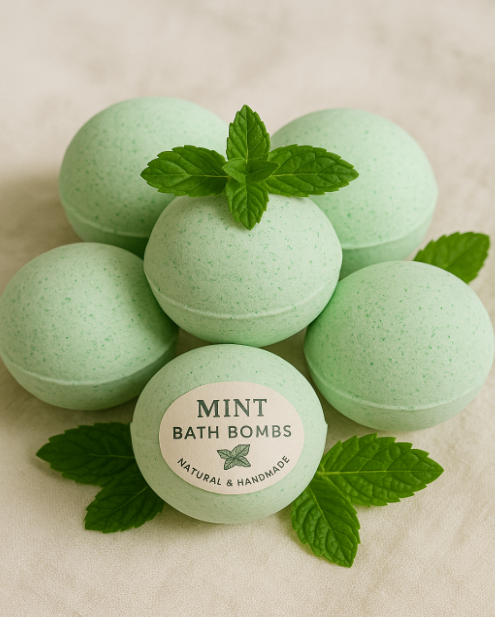
Bath bombs and soaks combine low material cost with high perceived value. They offer customers an affordable luxury experience they can enjoy at home. For example, a $2 bath bomb made with basic ingredients like baking soda and essential oils can sell for $8–$12 on eBay.
7. Body scrubs
Body scrubs offer excellent profit margins with simple ingredients like salt, pumice, and oils that customers recognize as premium spa treatments. Source these ingredients from Michaels, Hobby Lobby, Amazon, or local soap-making suppliers for about $30–$60, enough to make roughly 20–50 four-ounce scrubs. Revitalizing body scrubs can sell for $25+ on Etsy.
8. Clay earrings
Clay earrings offer lightweight comfort and endless design possibilities that appeal to fashion-conscious buyers. Buy a kit on Etsy or at a craft supply store for around $20 that can make around 100 sets that sell on Amazon Handmade for between $7 and $20/pair.
9. Beaded bracelets
Beaded bracelets and stack sets give customers affordable ways to personalize looks for any outfit or mood. You can buy bead kits for around $20 that make up to 50 bracelets, which you can sell on Etsy for around $8–$25 each.
Best-selling digital handmade products
Digital handmade products like planners and journals generate income without inventory, packaging, or shipping costs. Why? Because customers download them after purchase. Once you create the original design, you can sell unlimited copies, making these products some of the easiest handmade items to scale while keeping ongoing expenses close to zero.
10. Budget planners and wedding binders
Handmade budget planners and wedding binders are always in demand because they bring both organization and personalization to big milestones. By customizing sections for expenses, timelines, and notes, you can market these products as functional keepsakes that simplify planning while adding a creative touch.
Create printable planners in Canva or Adobe Express, which both have free tiers plus paid plans of about $10–$18 per month. Affinity is now free, while Adobe InDesign runs at about $23 per month. Downloadable planners and wedding binders typically sell for $1–$30 on Etsy.
11. Journals and diaries
Journals and diaries offer opportunities for handmade sellers, since buyers seek unique designs that reflect personal expression. Create digital journals with Canva, Adobe Express, or Affinity. Printable journals and diaries generally sell for $2–$20 on Etsy, depending on the design and page count.
12. Abstract art, personalized prints, kids’ room sets
Abstract art and personalized prints cater to home décor buyers or fashion enthusiasts who want distinctive pieces. Handmade kids’ room sets with themes like animals, nature, or storybook motifs create a cohesive look.
You can sell abstract digital art for around $2–$100+. Sourcing costs require a Canva or Figma subscription and skills.
13. Quotes
Printable quotes generate income because digital products need no shipping and can be reproduced infinitely after initial design. Inspirational phrases, Bible verses, and motivational sayings sized for frames appeal to buyers seeking affordable wall art that aligns with their values.
Create printable quotes in Canva or Adobe Express, which have free tiers (paid plans run about $10–$18 per month), or in the now-free Affinity app, with no inventory or shipping costs.

Best-selling handmade items with repeat buyers
Products people use every day, like lip balms and body butters, create opportunities for repeat sales instead of one-time purchases. These items run out over time. But if you make them well, satisfied customers have a reason to return and reorder.
14. Lip balms
Lip balms, scrubs, and body butters offer high margins as they’re cheap to produce. These products meet everyday skincare needs with natural ingredients that customers can’t easily replicate at home.
Source beeswax, shea butter, carrier oils, and lip balm tubes for about $40–$60, enough to make roughly 75–150 lip balms. On Mercari, many of these products sell for under $20.
15. Body butters
Folks pay premium prices for body butters due to their silky texture and long-lasting moisturizing benefits that customers can't achieve with drugstore alternatives. Source shea butter, cocoa butter, coconut oil, fragrance oils, and cosmetic jars from Bramble Berry, Bulk Apothecary, Amazon, or Michaels for about $40–$70.
This amount can make roughly 20–40 four-ounce body butters, which you can sell on Etsy for around $5–$20.
16. Botanical soaps
Botanical or exfoliating soaps use herbs, coffee grounds, or pumice to add texture and perceived skincare benefits beyond cleansing. Lavender, rose petals, or oatmeal create gentle exfoliation. Coffee grounds and sea salt attract buyers who want stronger scrubbing for rough skin. You can source these in bulk from grocery stores for under $20.
Makers boost visual appeal by embedding colorful botanicals or marbling exfoliating particles through soap bars. Use advanced photo editing tools to make your bars stand out, and you can sell this soap for about $8/bar on Etsy.
Best-selling high-profit handmade items
Products like cutting boards and tapestries require specialized skills or personalization and often generate the highest profits. Buyers willingly pay more for handcrafted pieces they can't easily find in stores or mass-produced online.
17. Personalized cutting boards
Personalized cutting boards appeal to those looking for wedding or housewarming gifts. Artisans engrave names, dates, or quotes on bamboo or hardwood boards, which serve functional and decorative roles.
Source bamboo or hardwood cutting boards and finishing oil from Amazon, IKEA, Michaels, or local woodworking suppliers for about $40–$80. That's enough to make roughly 10–20 personalized cutting boards, depending on the size.
Many buyers believe that personalization adds value that mass-produced options cannot match. These items sell between $11 and $100 on Etsy.
18. Handmade tapestries
Handmade tapestries reflect design trends that appeal to students, young professionals, and renters who may not have the means to paint walls or install permanent décor. Tapestries transform blank spaces into cozy environments while remaining removable for temporary living situations.
A $30–$60 starter supply of canvas, fabric paint, or heat-transfer vinyl typically makes 5–10 medium-sized tapestries (18×24 to 24×36 inches), depending on the design complexity and materials used.
Makers who create tapestries in neutral colors, such as cream, sage, and terracotta, attract buyers seeking versatile pieces that complement their existing furniture and color schemes. These pieces can sell for a few hundred dollars on Etsy.
19. Crochet and knits
Crochet and knitwear rank among the highest-value handmade categories because customers recognize the time and skill required to make these intricate pieces. Handmade blankets, sweaters, and stuffed animals consistently rank among the most popular crochet products because buyers appreciate the time and craftsmanship that go into each piece.
Startup kits go for between $20 and $50, and you can create pieces that range from around $80 to several hundred on Etsy.
20. Embroidered shirts
Custom embroidered clothing transforms basic garments into personalized keepsakes that customers treasure and rarely replace. This personalization works by adding names, quotes, or custom designs to hoodies, shirts, and jackets, making them unique.
You can source blank T-shirts, embroidery thread, stabilizer, needles, and hoops for $50–$100 from Amazon, Michaels, Etsy, or wholesale apparel suppliers. That's typically enough to embroider 10–20 shirts, depending on the size and complexity of each design. These sell on Etsy for $15–$30, and can go higher with premium blanks, sweatshirts, or high-quality material.
Picking the right marketplace: Where handmade items sell best
Selecting the right reselling website is a key factor in determining whether your handmade products sell. Each platform has its own audience, fee structure, and level of competition, which directly impact visibility and profit margins.
Here’s a look at some of the leading reselling marketplaces for folks offering handmade merch:
- Etsy: Etsy is ideal for independent crafters, jewelry makers, and artists. Its audience actively searches for unique, lifestyle-driven items, which makes it easier to charge premium prices if your branding and photography resonate with shoppers.
- Amazon Handmade: Amazon Handmade offers exposure and scalability but lacks the close-knit community feel of Etsy. It’s a strong choice for makers ready to handle high demand, since Amazon prioritizes speed, logistics, and competitive pricing.
- eBay: eBay works best for artisans who produce one-of-a-kind items, custom handmade products, or small runs without plans to scale, where buyers search for unique listings.
- Poshmark: Poshmark focuses on fashion trends, making it perfect for handmade clothing, trendy jewelry, or upcycled pieces. Its social shopping features, like shares and styling tips, resonate with Gen Z and younger Millennials who enjoy interactive, community-driven shopping experiences.
5 ways to create eye-catching listings
Tips to stand out in competitive handmade niches are to personalize your products and offer high-quality photos. Following these tips helps you build a consistent and in-demand brand. Follow these pointers to stick out:
- Offer personalization (even small touches): Adding personalization, even something as simple as initials or a short phrase, makes products feel uniquely tailored to each buyer. Customers view these as meaningful upgrades, which lets makers charge higher prices while building stronger emotional connections.
- Use lifestyle photography: Lifestyle photos show products in real-life settings, helping buyers imagine how they’ll fit into their homes or daily routines. Always edit your images so they appear professional on resale websites.
- Stay consistent with branding and packaging: A cohesive look across tags, labels, and packaging builds instant recognition and makes your shop feel professional. Consistency reinforces your brand identity, makes your products memorable, and creates a polished unboxing experience worth sharing on social media.
- Collect reviews early through bundle promos or loyalty cards: Offering bundles at a discount or slipping in loyalty cards encourages happy buyers to leave reviews. Early testimonials build social proof, which makes new shoppers feel more confident when they buy from you.
- Use a tool like Nifty to crosslist: Crosslisting tools like Nifty let you post the same products across multiple marketplaces with minimal effort. This expands your reach, increases exposure, and gives each listing a better chance of selling. You won’t need to manage multiple platforms manually.
Manage your handmade items across platforms with Nifty
Looking for one simple tool to manage your best-selling handmade products? List them on several reselling websites and manage them in one place with Nifty. It’s a crosslisting tool that lets you organize your inventory across eBay, Etsy, Whatnot, Mercari, Poshmark, and Depop (more coming soon!).
Here’s why more resellers go with Nifty:
- Customized AI listings: Snap a photo and let Nifty create a complete listing with optimized titles, descriptions, and hashtags. You can even customize the writing style to match your brand.
- Crosslist in a few clicks: Publish the same item to Depop, Etsy, eBay, Poshmark, Mercari, and Whatnot without copying and pasting each listing. (More marketplaces are on the way.)
- Bulk crosslisting: Crosslist up to 25 items at once with your pricing and shipping rules applied automatically.
- Auto-delisting: Once you turn it on, whenever an item sells on one marketplace, Nifty automatically removes it everywhere else, helping you avoid double-selling and disappointing buyers.
- Bulk tools that save time: Share on Poshmark, relist, and schedule listings in batches. You can also automate discounts over time to keep older inventory moving.
- Track profits across marketplaces: See sales, fees, best-selling items, and slow-moving inventory in one dashboard, making it easier to compare how sales from all platforms perform for your business.
Start organizing your handmade items today with a 7-day free trial and learn how Nifty can help you increase sales.
FAQs
1. How do I know if my handmade product will sell?
You’ll know if your handmade product will sell by testing demand before investing heavily in materials. Start with small batches, list them on Etsy or eBay, and pay attention to which items generate the most clicks and sales.
2. Can I sell homemade beauty products legally?
Yes, you can sell homemade beauty products legally, but you must follow labeling and safety regulations that vary by country. In the U.S., the FDA oversees cosmetics, which means ingredients and claims must comply with its standards. Many Etsy soap makers succeed by using natural oils, safe packaging, and clear ingredient lists to build customer trust.
3. Where should I list handmade items: Etsy, Poshmark, or eBay?
You should list handmade items on multiple platforms to make the most of your reach. Etsy attracts buyers seeking unique artisan pieces, Poshmark works for fashionable clothes and accessories, while eBay suits one-of-a-kind or limited-run items. Manage all your listings from one place with a tool like Nifty.


.png)
.png)