
5 best places to sell collectibles: Reviewed for 2026
.png)
The best places to sell collectibles are eBay for exposure and Facebook Marketplace for large, bulk collectibles. After evaluating 10 collectibles marketplaces, I picked the top 5 for fee transparency and buyer quality.
Learn which marketplaces suit the type of collectible you’re offering and what fees they charge so you can pick a platform that fits and helps you maximize your margins.
The 5 best places to sell collectibles: At a glance
How I tested each place to sell collectibles
I started with a list of 10 platforms, some of which I already sell on. Using the following criteria, I narrowed my list down to 5 based on:
- Collectible buyer audience quality: Platforms earned higher scores when they attracted collectors who asked informed questions. This showed me that buyers actually knew what they wanted and were more likely to purchase.
- Fee transparency: Clear and predictable pricing ranked higher than fee structures that required sellers to calculate hidden costs. With clear and easy fees, you can keep track of your bookkeeping more easily.
- Listing-to-sale time: Stronger buyer traffic comes from your ability to adjust listings so they rank higher in search results. The higher up your products land, the more likely you’ll make a sale.
- Final sale price vs. comparable listings: I compared actual sale prices against comparable sold listings to determine which platforms delivered the strongest returns.
1. eBay: Best for maximum buyer exposure
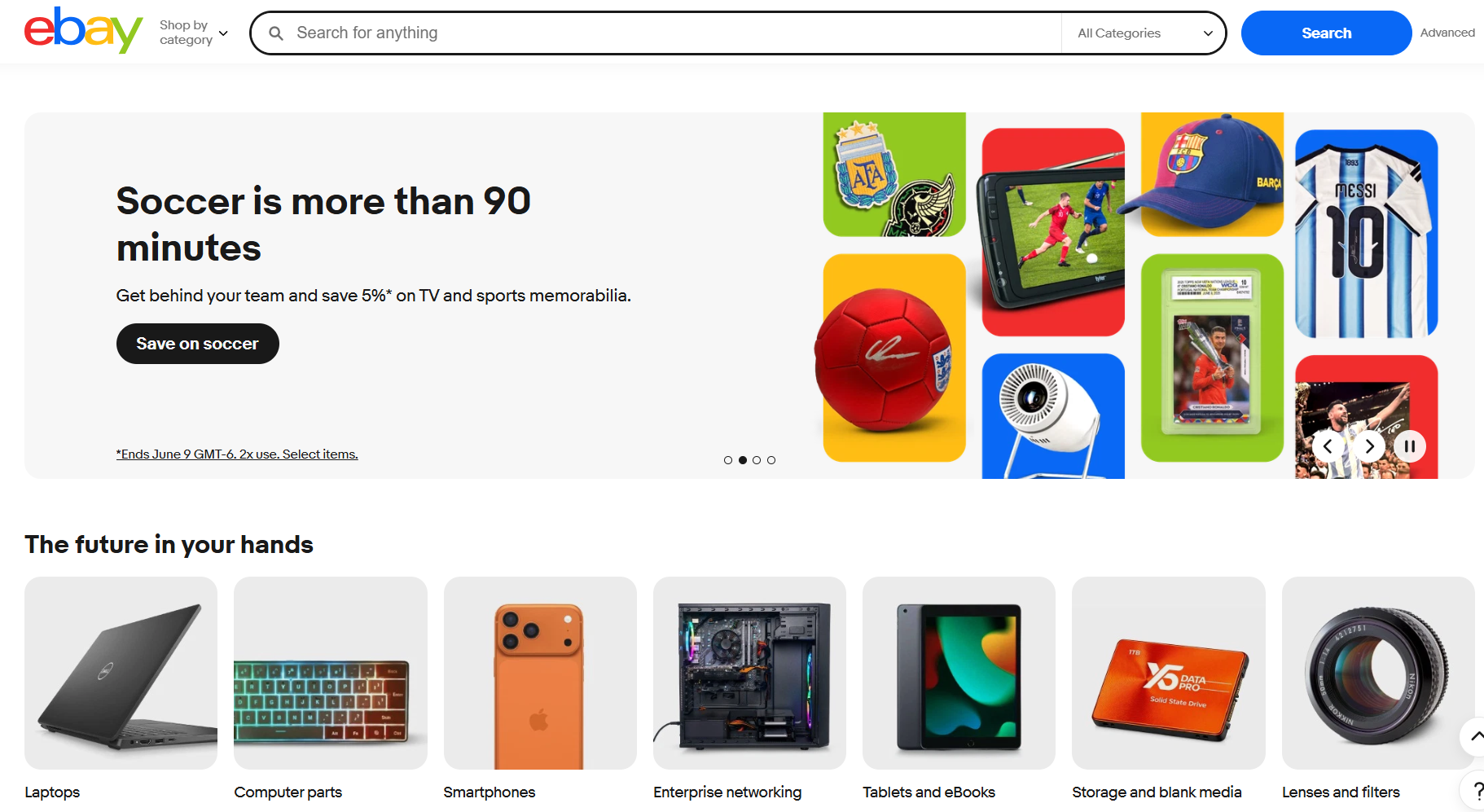
What it is: One of the original best places to sell collectibles, eBay gives you access to over 135 million people worldwide.
Best for: Sellers offering almost any type of collectible, from baseball cards to rare coins, who need access to a large market.
For the past 8 years, I’ve sold refurbished Game Boys on eBay. The marketplace lets me promote listings with its built-in marketing tools for a 5% promotional fee, so more shoppers can see them in the search results. When I use this tool, my Game Boys typically sell between 10% and 15% faster than non-promoted ones.
Key features
- Best Offer option: Buyers can submit private offers, which sellers can accept, reject, or counter within 48 hours.
- Auction-style listings: Competitive bidding can drive higher final sale prices, especially for in-demand cards.
- Global Shipping Program: eBay manages international shipping and customs, helping sellers reach buyers in more than 190 countries.
Pros
- Multiple selling formats: Choose between auctions, fixed-price listings, and Best Offer listings based on your sales strategy.
- Large global market: With over 135 million buyers located in over 190 countries, eBay gives you access to one of the most expansive global marketplaces.
Cons
- Higher selling costs: Seller fees can significantly reduce profits, with total transaction costs often ranging from 10% to 15%.
What real users say
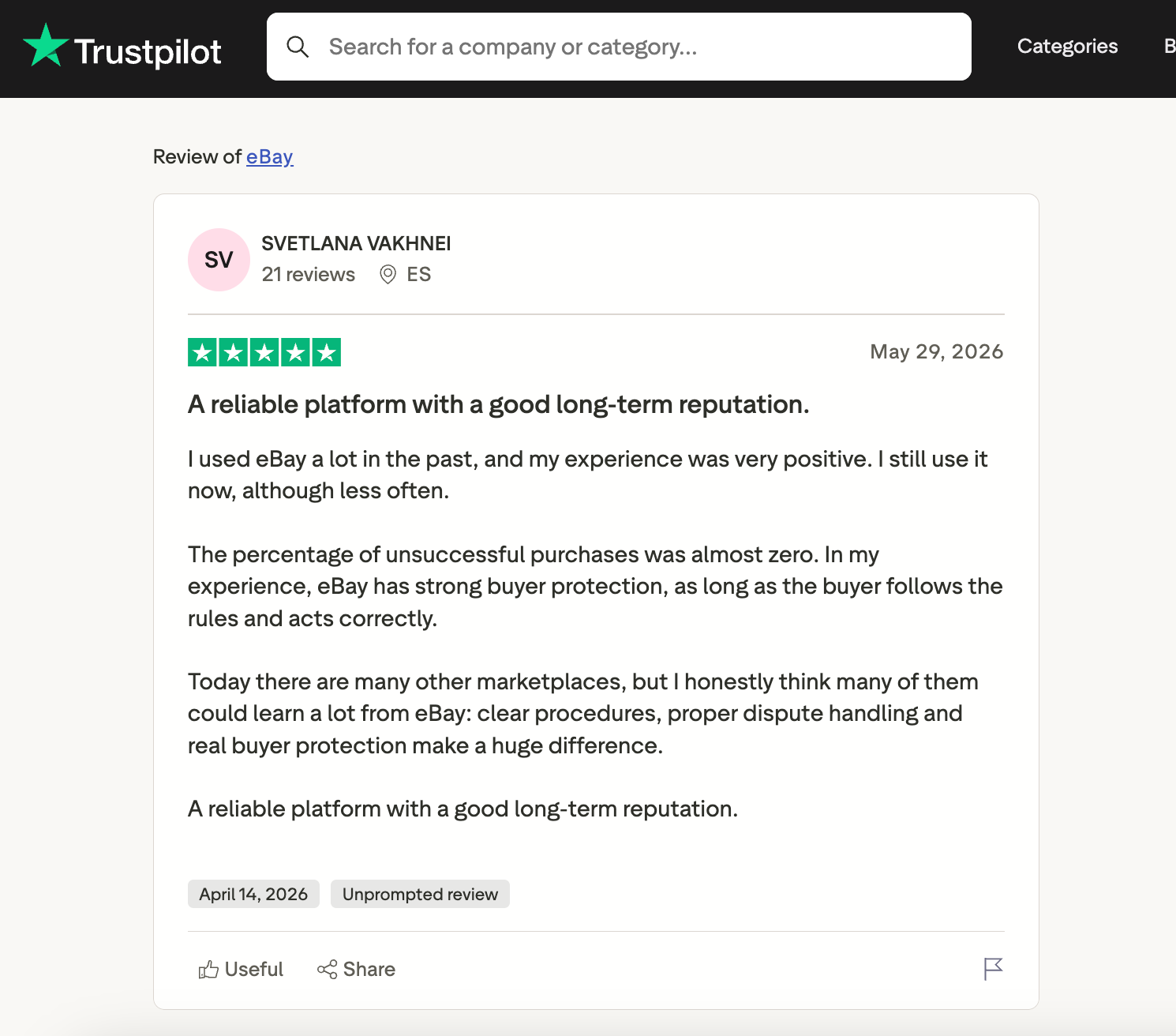
“I used eBay a lot in the past, and my experience was very positive. I still use it now, although less often. The percentage of unsuccessful purchases was almost zero. In my experience, eBay has strong buyer protection, as long as the buyer follows the rules and acts correctly.” (Svetlana V., Trustpilot; April 14th, 2026)
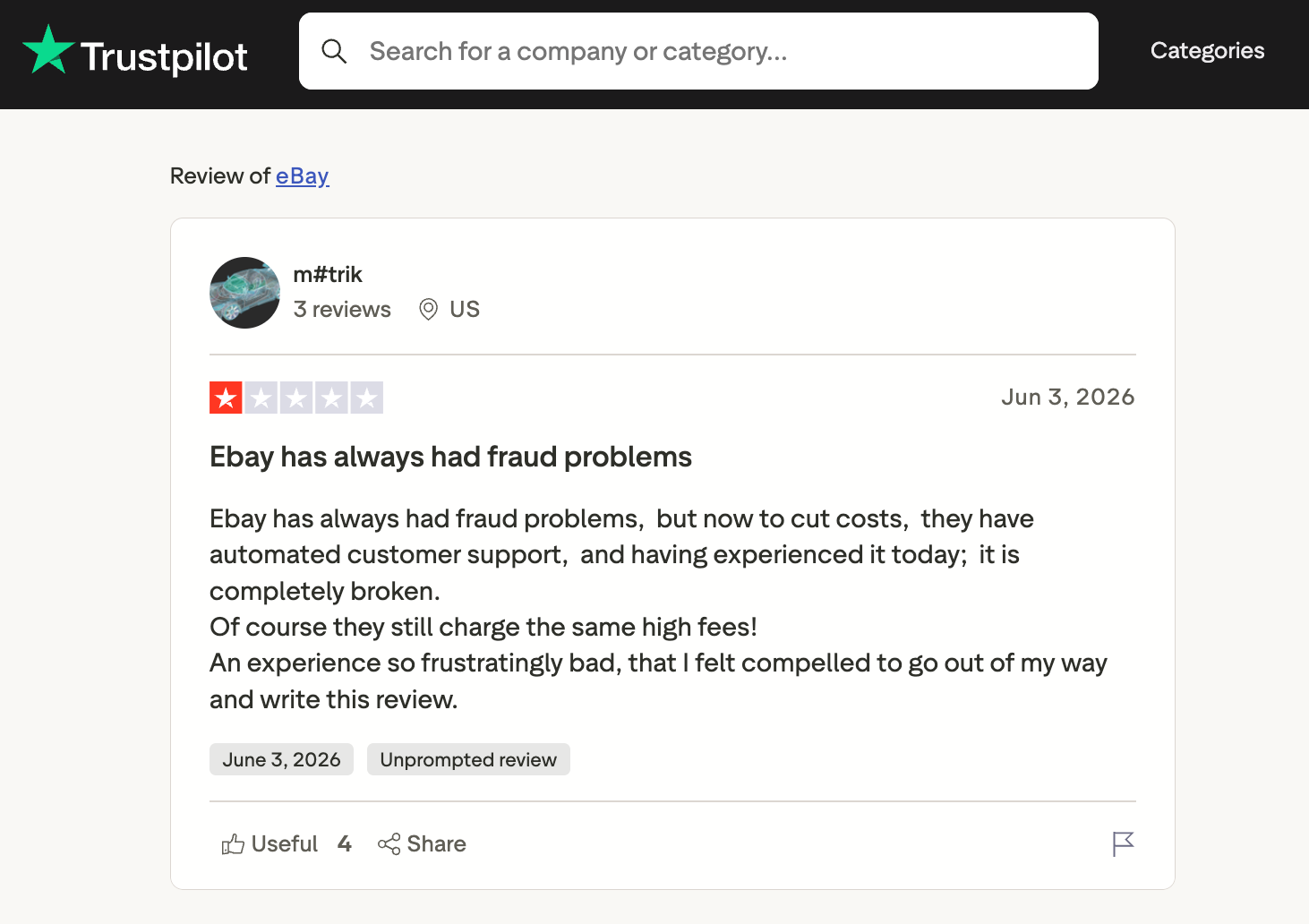
“Ebay has always had fraud problems, but now to cut costs, they have automated customer support, and having experienced it today; it is completely broken.” (eBay user, Trustpilot; June 3rd, 2026)
Fees
For trading cards, eBay charges 13.25% final value fee on the total sale amount (item price + shipping), with a $0.35 insertion fee if the listing exceeds 250. Optional promoted listings add a variable ad fee per sale. Sellers set their own rate, with collectibles typically ranging from 6% to 12% or higher depending on competition.
Bottom line
eBay is a strong option for sellers who want immediate exposure to a large buyer base without investing heavily in marketing. However, if you want to connect with buyers via livestream auctions and real-time buyer engagement, try Whatnot.
2. Facebook Marketplace: Best for large or bulky collectibles
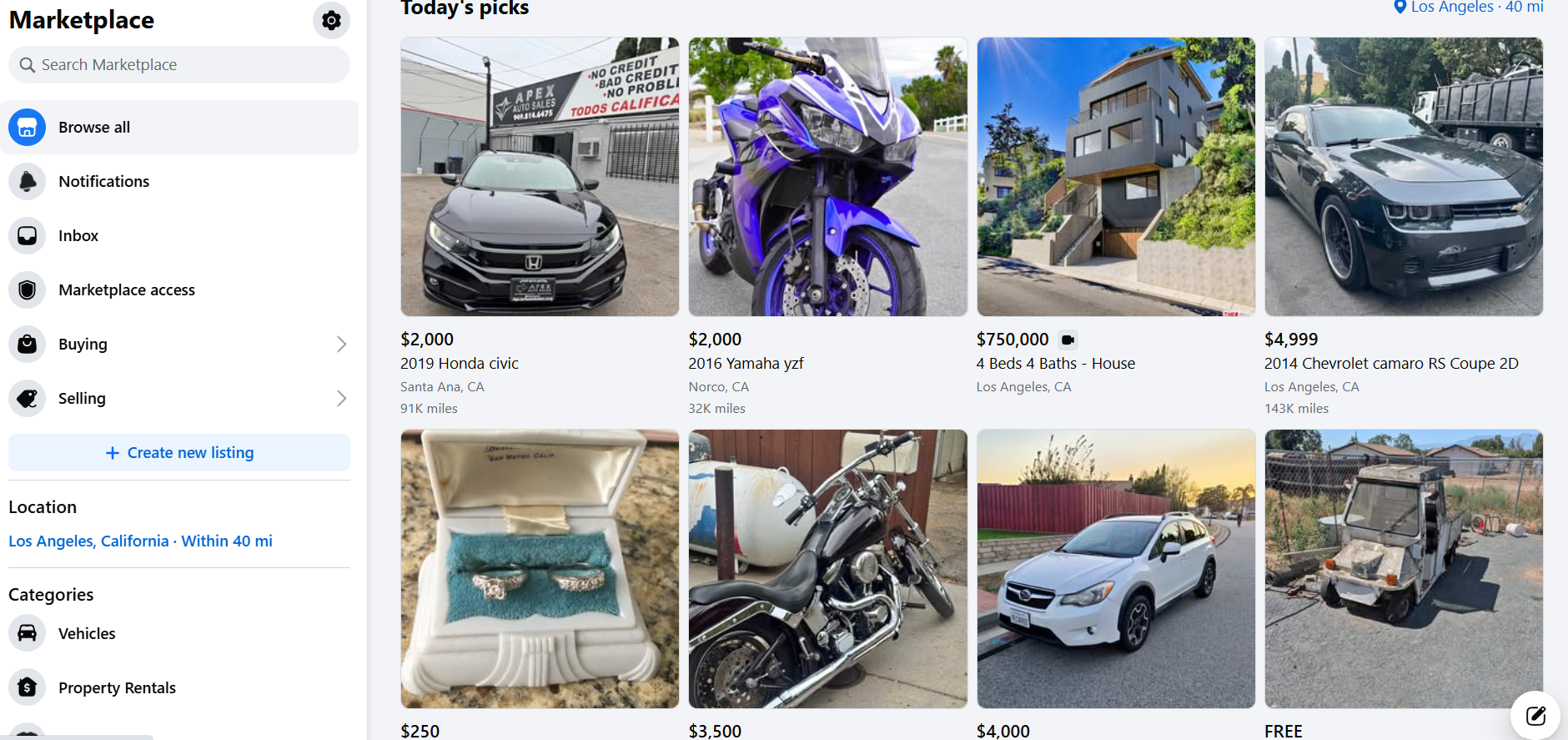
What it is: Facebook Marketplace offers sellers a platform that’s a part of Facebook, with over 1 billion global users.
Best for: Sellers moving large, bulky items who want to meet buyers in person to avoid fees.
I’ve sourced a few large collectibles, like vintage dressers and coffee tables, from thrift stores, fixed them up, and sold them on Facebook Marketplace. Local buyers usually respond to my post within 24 hours, and we arrange a meetup spot and an agreed-upon sale price.
Although the platform works well for in-person purchases, I would recommend using eBay or Whatnot for smaller, more niche collectibles. These platforms simply offer a larger number of buyers who are specifically aiming to purchase collectibles.
Key features
- Low fees for selling through the platform: If you make a sale directly through Marketplace and not in person, you pay the low fee of 10% on the total purchase amount.
- Buyer messaging tools: Facebook Messenger lets you negotiate, share photos, and confirm pickup in one thread.
- Over 3 billion monthly users: A listing reaches an existing audience without any ad spend.
Pros
- No upfront cost: For local, in-person sales, listing is free.
- Fast local turnover: Selling bulky collectibles to local buyers tends to move faster than on other platforms.
- Built-in audience: Buyers already exist on the platform without external marketing.
Cons
- No collector credibility: Buyers can't verify condition history or authenticity the way they can on category-specific platforms.
- Low ceiling on price: Some sellers report lowball counteroffers, which can make the selling process difficult.
What real users say
“Personally, I am an avid marketplace user – I find it an excellent way to declutter my house and make a couple extra bucks… someone expresses interest, we agree on price…” (Caitlyn T., Algonquin Social Media; July 14th, 2025)
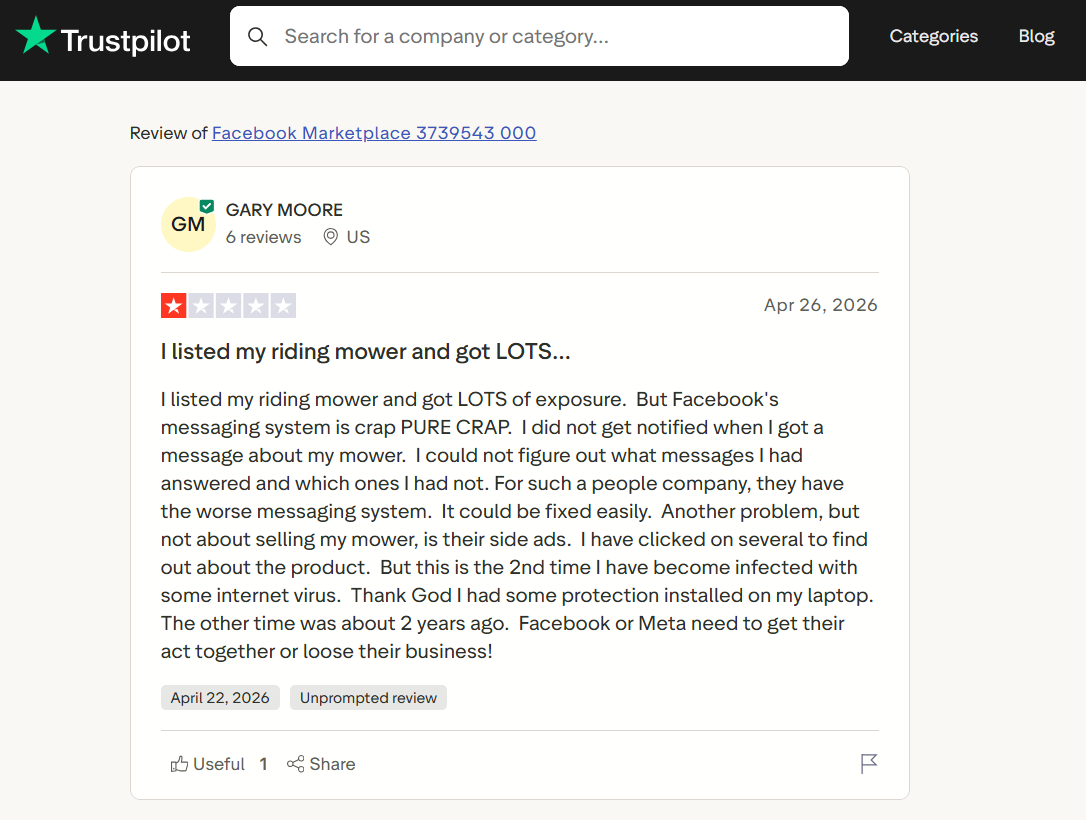
“I did not get notified when I got a message about my mower. I could not figure out what messages I had answered and which ones I had not. For such a people company, they have the [worst] messaging system.” (Gary M., Trustpilot; April 22nd, 2026)
Fees
If you sell items via in-person pickup, you’ll be charged zero fees. Sellers who use the platform pay a 10% fee on the final purchase price. Facebook Marketplace charges a minimum fee of $0.80 per shipped transaction.
Bottom line
Facebook Marketplace works if you have items that are too large to ship and you have local demand. If you need an authenticated value or collector-grade trust, try eBay or Ruby Lane.
3. Whatnot: Best for live collectible auctions
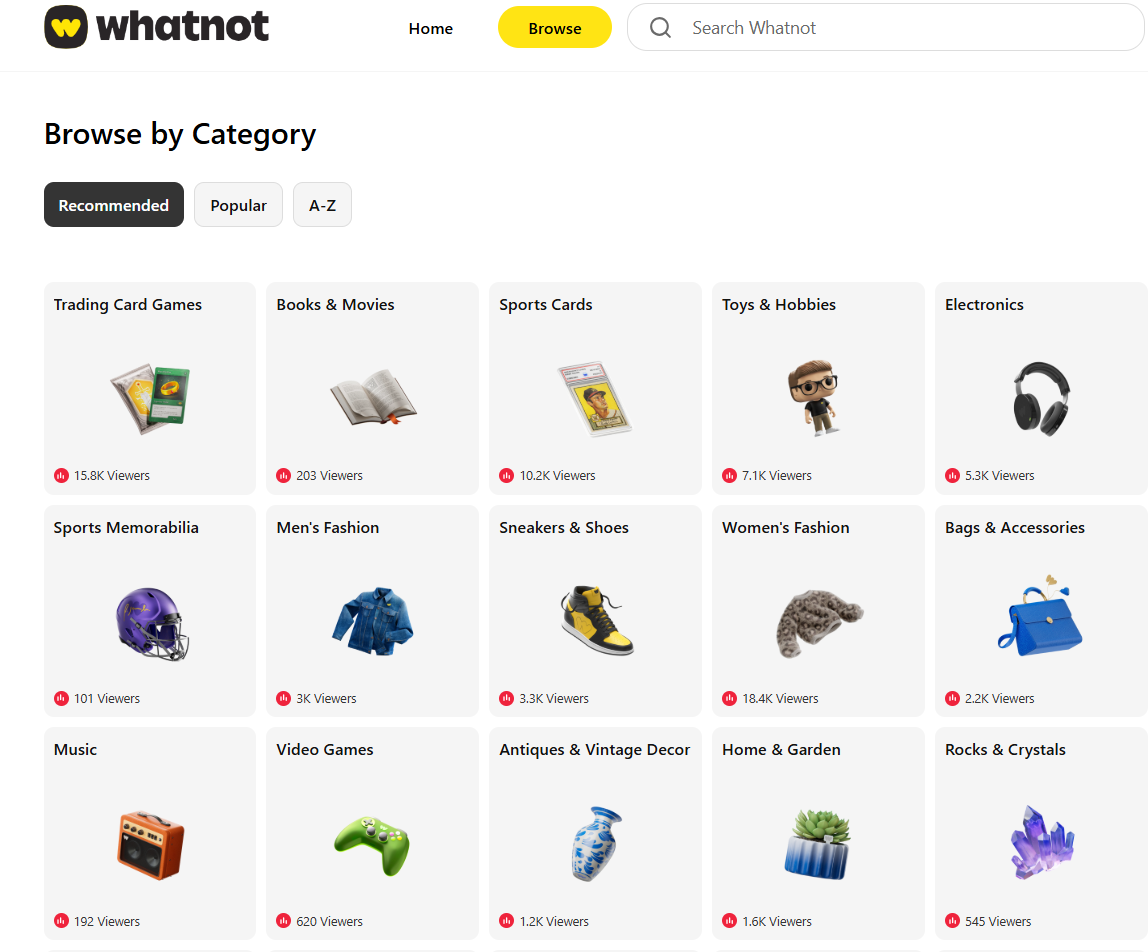
What it is: Whatnot allows you to sell collectibles via livestream auctions or buy-it-now listings.
Best for: Outgoing sellers who want to sell collectibles through weekly live shows rather than just static listings.
I’ve sold baseball cards on Whatnot to test how effective livestreaming actually is. It took me about 6 weeks to build up an audience that could increase the value of the Ken Griffey Jr. rookie cards through bidding. But I had to host live auctions 2 or 3 times weekly, and do my research on the cards. If you’re not comfortable in front of crowds, Whatnot might not be for you.
Key features
- Built-in chat engagement: If you have a large enough audience, buyers bid and interact simultaneously, which builds momentum.
- Scheduled show calendar: Sellers can book recurring time slots that encourage followers to consistently return.
- Integrated shipping tools: Label generation and tracking are built directly into the fulfillment flow.
Pros
- Category-specific audiences: Buyers self-select into shows by niche, which can help reduce the number of low-intent buyers.
- No listing fees: Posting inventory costs nothing upfront, regardless of volume or category.
- Real-time price signals: Live audience response tells you which inventory has demand, so you can reprice similar items.
Cons
- Requires on-camera presence: If you don’t go live, you’re not using the platform’s core feature.
- Performance-dependent results: A low-energy show often produces lower final prices regardless of inventory quality.
What real users say

“Whatnot can be a fantastic app to sell and buy. I do both. But, BEWARE. There are plenty of scams and shady sellers and buyers as well. Research the seller before making any purchases, just like with any other platform.” (Whatnot user, Reddit; October 5th, 2025)
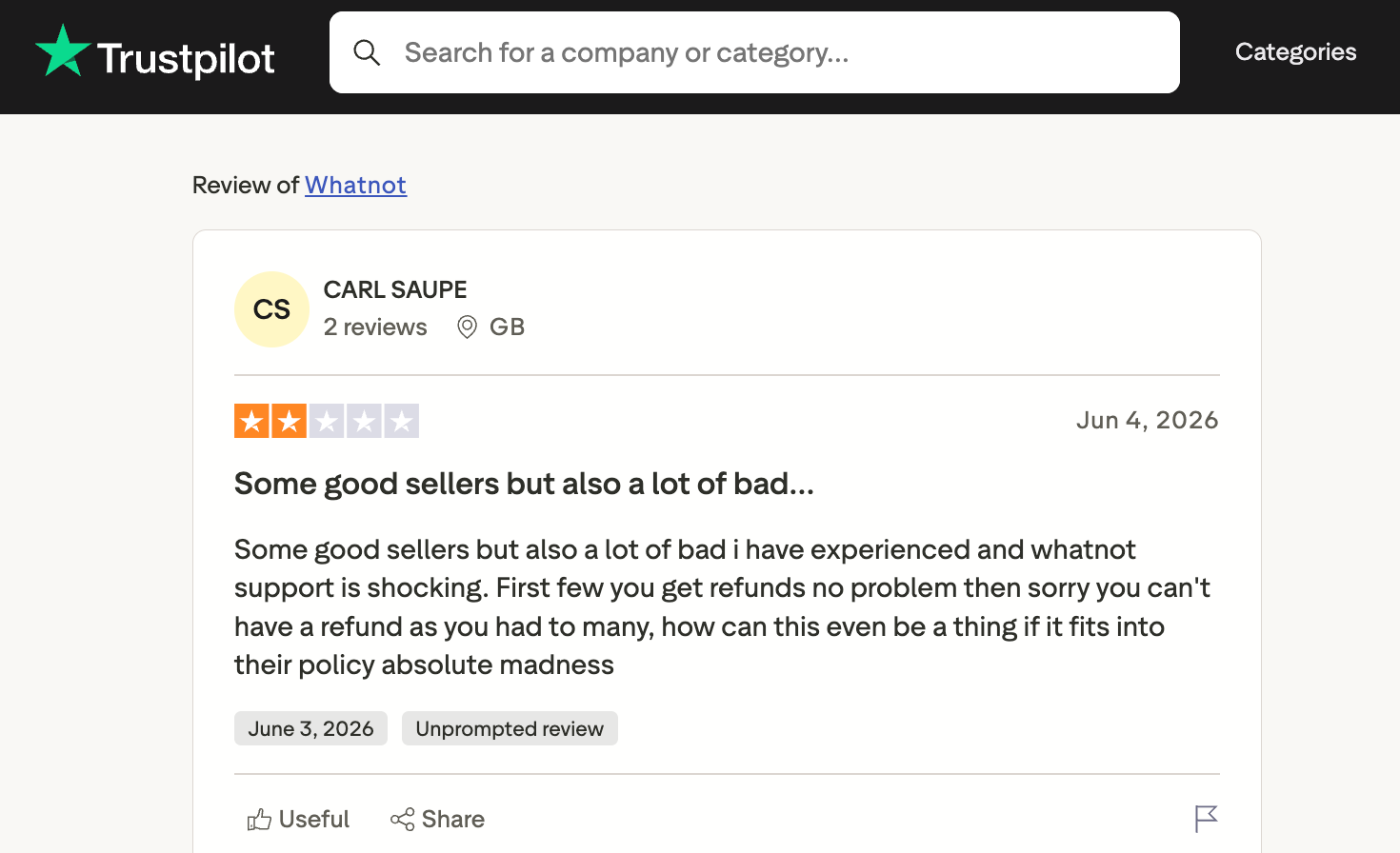
“Some good sellers but also a lot of bad i have experienced and whatnot support is shocking. First few you get refunds no problem then sorry you can't have a refund as you had to many, how can this even be a thing if it fits into their policy absolute madness.” (Carl S., Trustpilot; June 3rd, 2026)
Fees
Whatnot charges commissions of 4% to 8%, depending on category, plus a payment processing fee of 2.9% + $0.30 per transaction.
Bottom line
Whatnot can be good for making money if you have collectibles like cards, toys, or comic books, and love to show up on camera a few times weekly. If you want passive, listing-based sales, try a collectibles-focused platform like Ruby Lane.
4. Etsy: Best for vintage collectibles over 20 years old
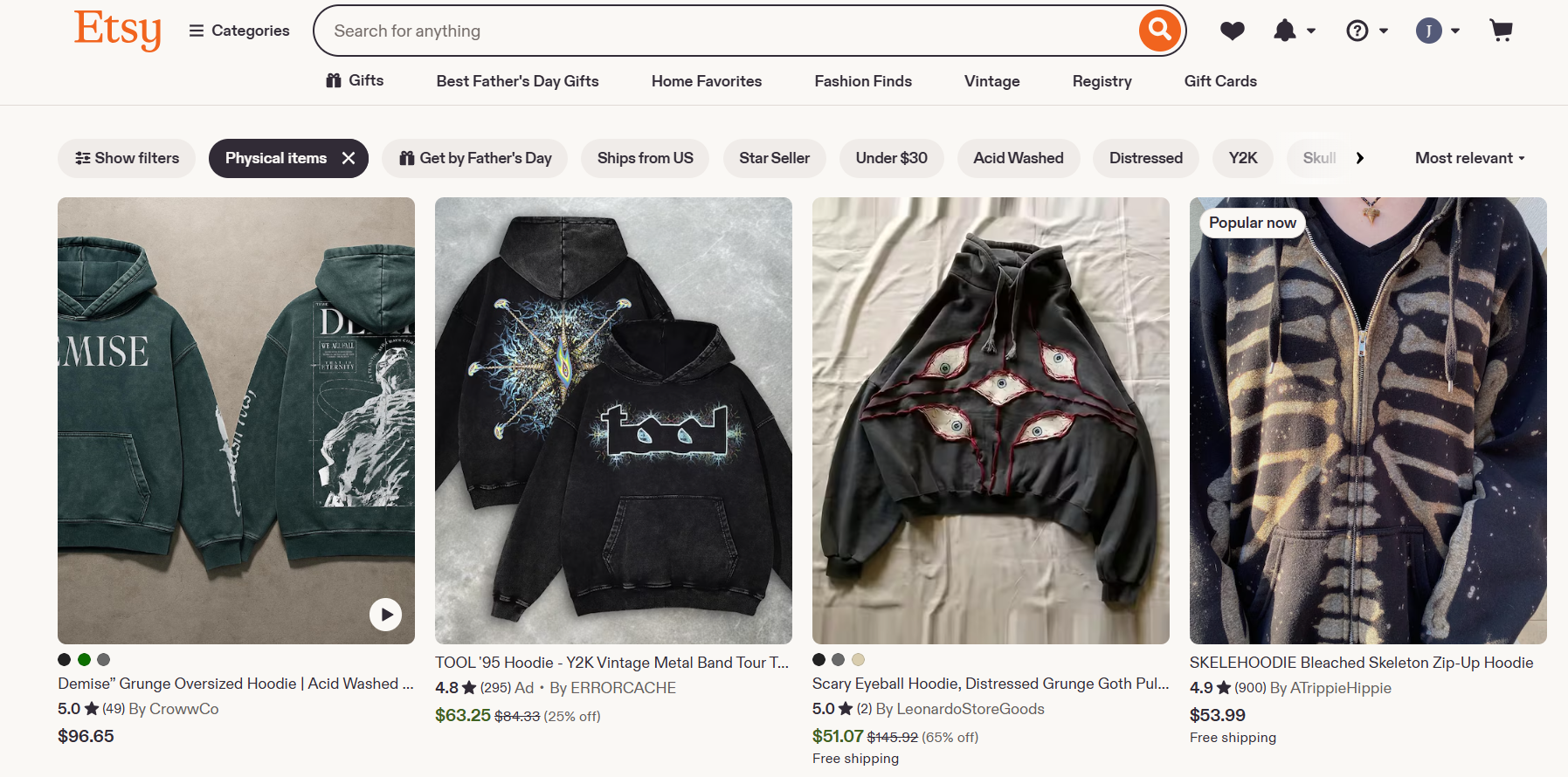
What it is: Etsy fits sellers offering 20+ year old vintage and older collectibles, offering a platform that lets them build an individual, SEO-optimized shop that buyers can also find on Google search.
Best for: Vintage and handmade collectible sellers.
I’ve sold vintage 90’s Nirvana and Pearl Jam hoodies on Etsy for 3 years. The platform’s search function lets me configure each listing by era, material, and style. In the past, my shop has shown up on Google for keywords like “Nirvana In Utero men’s 90s grunge hoodie,” which helped me get buyers.
For non-handmade collectibles, Etsy requires items to be at least 20 years old to qualify under its vintage policy.
Key features
- Vintage category filter: Buyers can search specifically for items 20+ years old, which helps them find age-qualified inventory first.
- SEO-driven listing titles: Multi-keyword titles pull organic search traffic from both Etsy and Google.
- Shop storefront branding: Sellers build a named shop with reviews, policies, and a consistent visual identity.
Pros
- Shop reputation can grow sales: Strong review history raises conversion rates on every subsequent listing passively.
- Pre-qualified buyer intent: Shoppers arrive already searching for vintage or unique, handmade collectibles.
- Design-buyer pricing ceiling: Aesthetic-driven buyers pay above resale comps when staging and photography deliver.
Cons
- Age requirement: Items under 20 years old don’t qualify as vintage and sometimes can’t be listed on Etsy.
- No auction format: The platform offers fixed-price only, which means you can’t drive up buyer demand if several are willing to pay higher prices.
What real users say
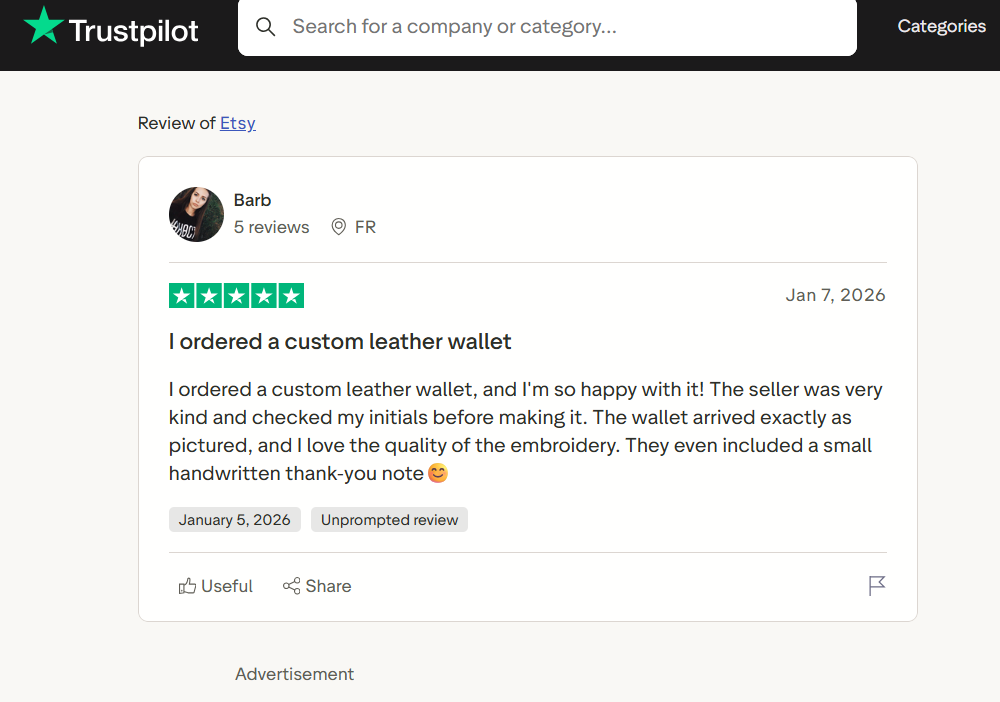
“I ordered a custom leather wallet, and I'm so happy with it! The seller was very kind and checked my initials before making it. The wallet arrived exactly as pictured, and I love the quality of the embroidery.” (Barb, Trustpilot; January 5th, 2026)
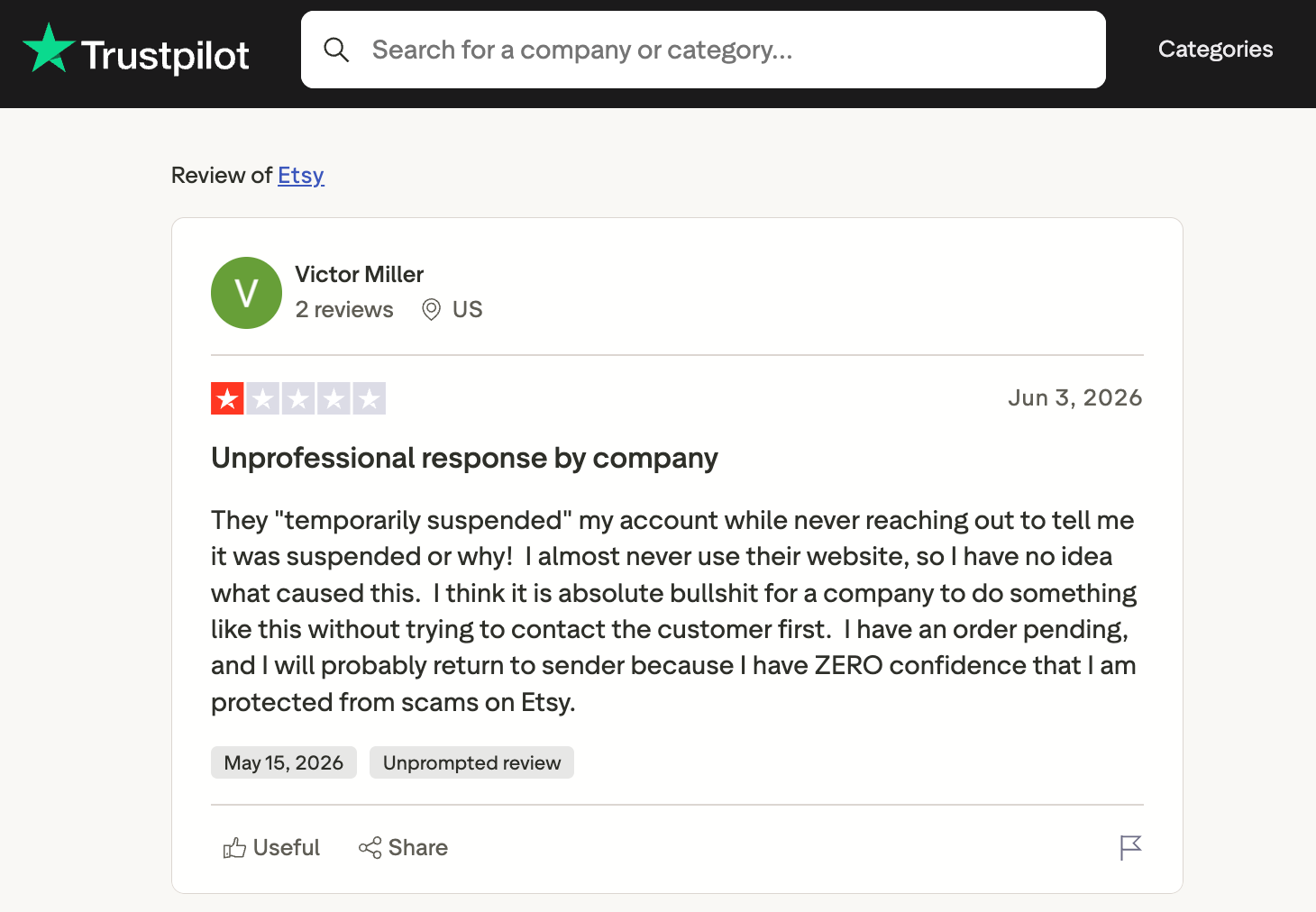
“They "temporarily suspended" my account while never reaching out to tell me it was suspended or why! I almost never use their website, so I have no idea what caused this.” (Victor M., Trustpilot; May 15th, 2026)
Fees
Etsy charges a $0.20 per listing fee, which stays active for four months. When an item sells, Etsy charges a 6.5% transaction fee on the total order value, plus a payment processing fee of 3% + $0.25 per transaction for U.S. sellers.
If a sale comes through Etsy Offsite Ads, Etsy also charges an advertising fee. Most sellers pay 15% on those sales, while shops that generate more than $10,000 in annual revenue pay a reduced 12% rate and are automatically enrolled in the program.
Bottom line
Etsy fits sellers who have 20+ year-old inventory, or they’re offering handmade collectible items. If you have condition-graded collectibles or you simply want a platform that offers auctions, try eBay or Whatnot.
5. Ruby Lane: Best for premium vintage collectibles
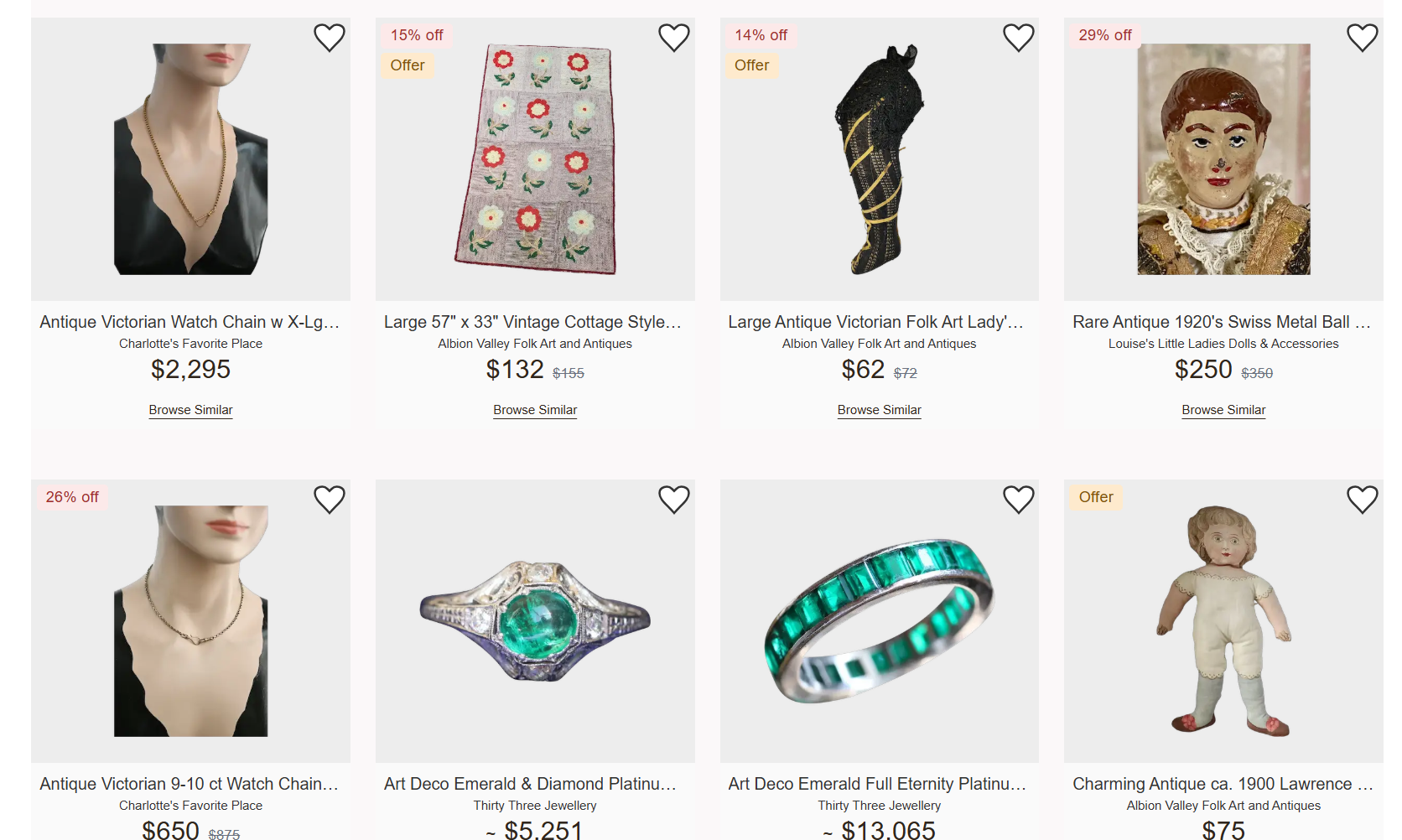
What it is: Ruby Lane lets you find buyers for high-value antiques and vintage collectibles.
Best for: Dealers and sellers with curated, high-ticket inventory who price on authentication and sell without discounting.
I listed a set of authenticated Victorian silver serving pieces to test Ruby Lane. Although they sat longer than similar ones on eBay, my final sales price was about 25% higher. The platform rewards depth and specificity, so if you’re clearing a collection, try a marketplace like eBay or Whatnot.
Key features
- Curated seller admission: Ruby Lane vets dealers before approval, keeping buyer trust and category standards high.
- No listing fees: Sellers list unlimited items under the monthly maintenance fee without per-item charges.
- Category-specific audience: Shoppers arrive searching for antiques and vintage specifically, not general merchandise.
Pros
- Above-market sale prices: Educated buyers pay premiums that are hard to get on other platforms.
- Low-offer volume: Pre-qualified buyers skip lowball negotiations that drain time on mass-market platforms.
- Unlimited listings included: Monthly fee covers full inventory depth without per-item cost stacking against margins.
Cons
- Monthly fee regardless of sales: The platform charges a minimum fee, which applies even in months with zero transactions.
- No auction format: Fixed pricing only means demand spikes on rare items produce no upside beyond your listed price.
What real users say
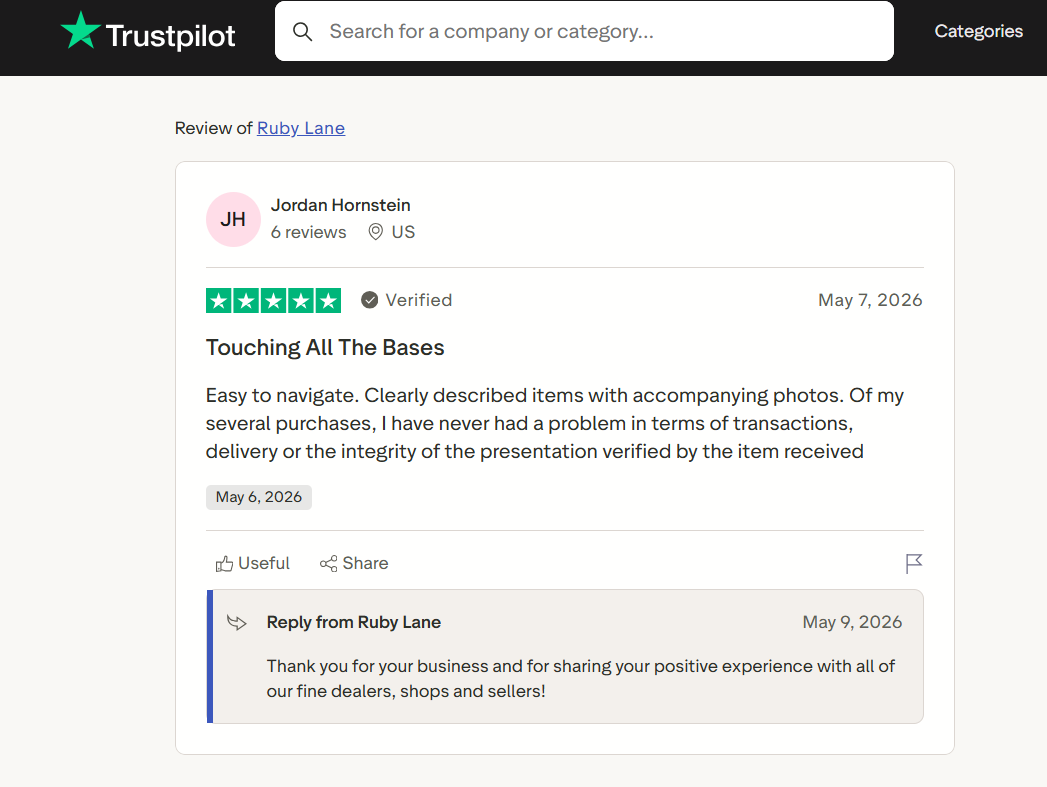
“Easy to navigate. Clearly described items with accompanying photos. Of my several purchases, I have never had a problem in terms of transactions, delivery or the integrity of the presentation verified by the item received.” (Jordan H., Trustpilot; May 6th, 2026)
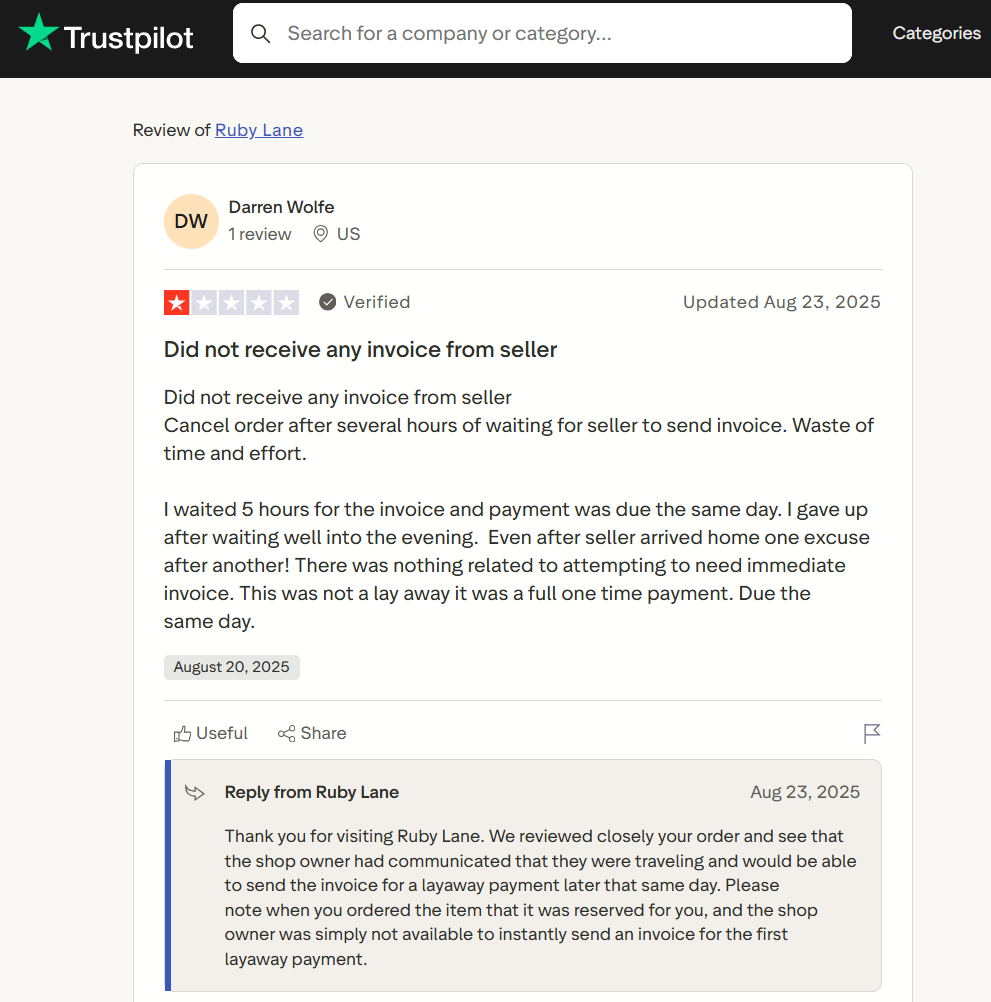
“Did not receive any invoice from seller. Cancel order after several hours of waiting for seller to send invoice. Waste of time and effort.” (Darren W., Trustpilot; August 20th, 2025)
Fees
The platform charges a monthly maintenance fee of $45 for the current plan (unlimited items). Ruby Lane uses a regressive fee system: Sellers pay 9.9% on the first $2,500 of the sale price, 5.0% on the portion between $2,500 and $7,500, and 2.5% on any amount above $7,500.
Note: If your shop was opened before 2021, your fee structure may differ. Contact Ruby Lane directly to confirm.
Bottom line
Ruby Lane makes the most sense when your inventory is curated and priced above $200, and you sell consistently enough to absorb the monthly fee. If you’re selling volume or lower-ticket collectibles, try eBay.
My final verdict: Which place for selling collectibles should you choose?
The collectibles marketplace you choose depends on your selling style and the types of items you offer. Here’s how to pick from my top 5:
Choose eBay if you …
Want maximum buyer exposure because eBay gives you access to one of the largest collectible-buying audiences in the world.
Choose Facebook Marketplace if you …
Have large or bulky collectibles for local pickup so you can avoid shipping costs and marketplace fees.
Choose Whatnot if you …
Enjoy live selling because auctions, buyer interaction, and bidding competition can increase demand for collectible inventory.
Choose Etsy if you …
Sell vintage collectibles over 20 years old or handmade collectibles that you can optimize for Etsy and Google search results.
Choose Ruby Lane if you …
Need higher prices for premium antiques because the platform attracts serious collectors willing to pay above-market rates.
Sell more collectibles, on multiple marketplaces, with Nifty
Successful sellers often find that offering their products on multiple marketplaces helps them close deals faster and reach more buyers. To help stay organized, many sellers use Nifty, a crosslisting and automation tool that lets you organize all your collectible listings from one centralized hub.
Here’s why more sellers trust Nifty:
- Customized AI listing: Snap a photo and let Nifty's AI create optimized collectible listings with detailed titles, descriptions, and keywords. You can even customize the writing style to match your brand.
- Crosslist now: Publish your collectibles across eBay, Etsy, Whatnot, Mercari, Depop, and Poshmark with just a few clicks. Reach more buyers without recreating listings on every marketplace.
- Automatic delisting? Handled: When an item sells, Nifty automatically removes it from your other marketplaces. That helps prevent double sales and inventory mistakes.
- Bulk tools = no busywork: Relist inventory, schedule listings, and automate discounts from a single interface instead of managing each marketplace separately.
- Analytics and profits are real: Track sales, fees, best-selling collectibles, and profit margins in one dashboard so you can identify which marketplaces deliver the strongest returns.
Nifty pays for itself in just a few weeks. Start your 7-day free trial and discover how Nifty helps you manage inventory, track listings, and sell across some of the best places to sell collectibles from one interface.
FAQs
1. What is the best platform for selling collectibles for maximum buyer exposure?
The best platform for selling collectibles for maximum buyer exposure is eBay, which connects sellers with over 135 million buyers across 190+ countries. Its auction and fixed-price formats, combined with built-in promotional tools, help listings reach more shoppers faster and reduce the time inventory sits unsold.
2. What platform is best for vintage collectibles?
The best platform for vintage collectibles is Etsy. Even though your items must be 20+ years old to qualify as vintage, you can use its SEO optimization features so listings can appear on Etsy and Google search results. This helps drive interested buyers directly to your shop.
3. Where can I get the highest prices for collectibles?
You can get the highest prices for collectibles on Whatnot and Ruby Lane. On Whatnot, outgoing sellers who host 2–3 live shows weekly can gain a following and drive up prices through live auctions. Ruby Lane has knowledgeable collectors on the platform who seek authenticated, high-ticket items, which help you avoid the lowball offers.


.png)
.png)
.png)