
Depop Vs. Vinted: Which is Better For Resellers (2026)
I’ve sold hundreds of items on Depop and Vinted over the years. Here’s my guide to help you decide between Depop vs. Vinted based on listing experience, fees, shipping, and buyer audience.
Depop vs. Vinted: At a glance
What Depop offers sellers
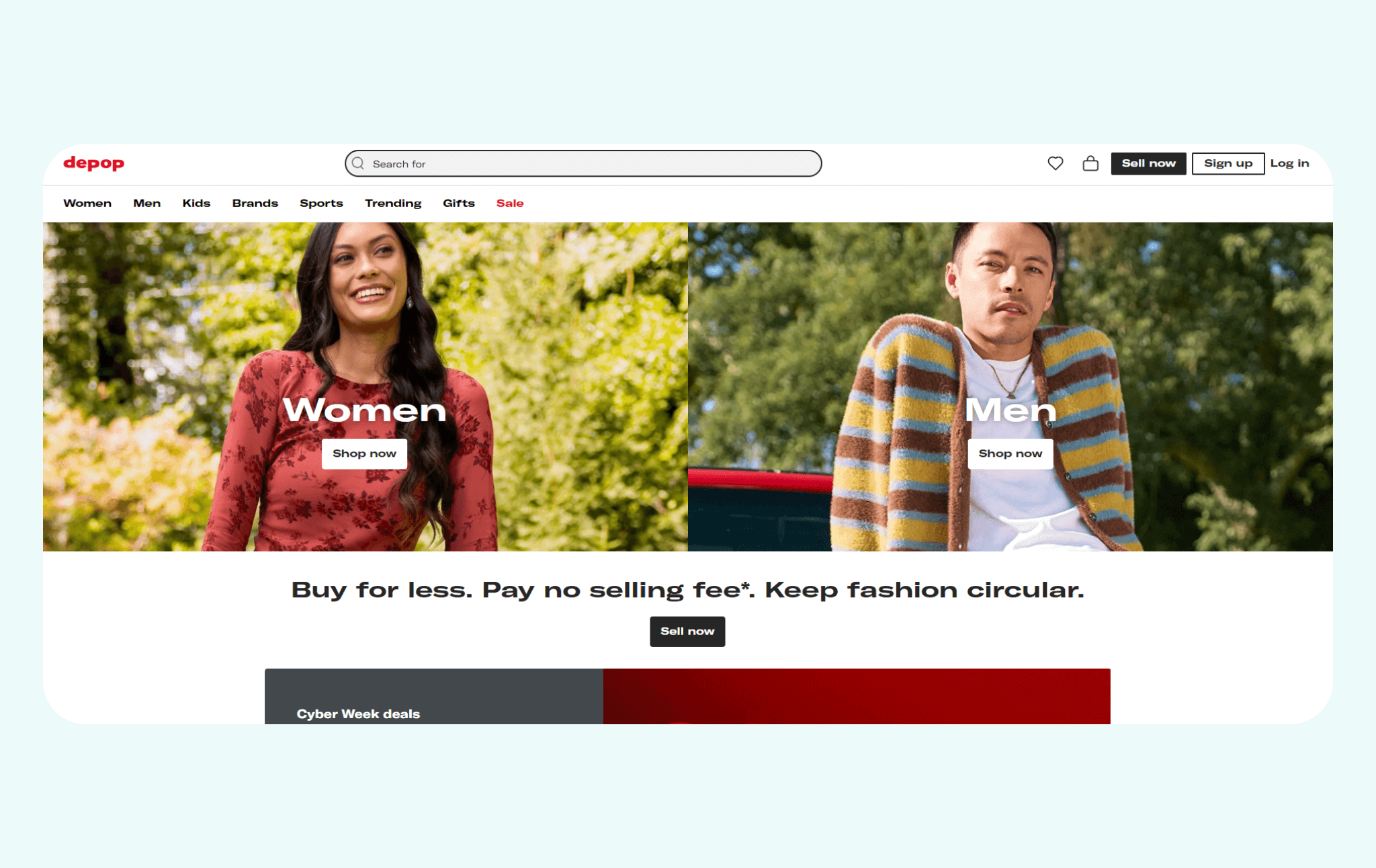
Depop serves over 5 million active buyers. With 2.5 million active sellers, the platform attracts shoppers who want vintage and Y2K styles through social browsing. That focus makes it a strong alternative to Vinted if you’re targeting a younger audience.
What Vinted offers sellers
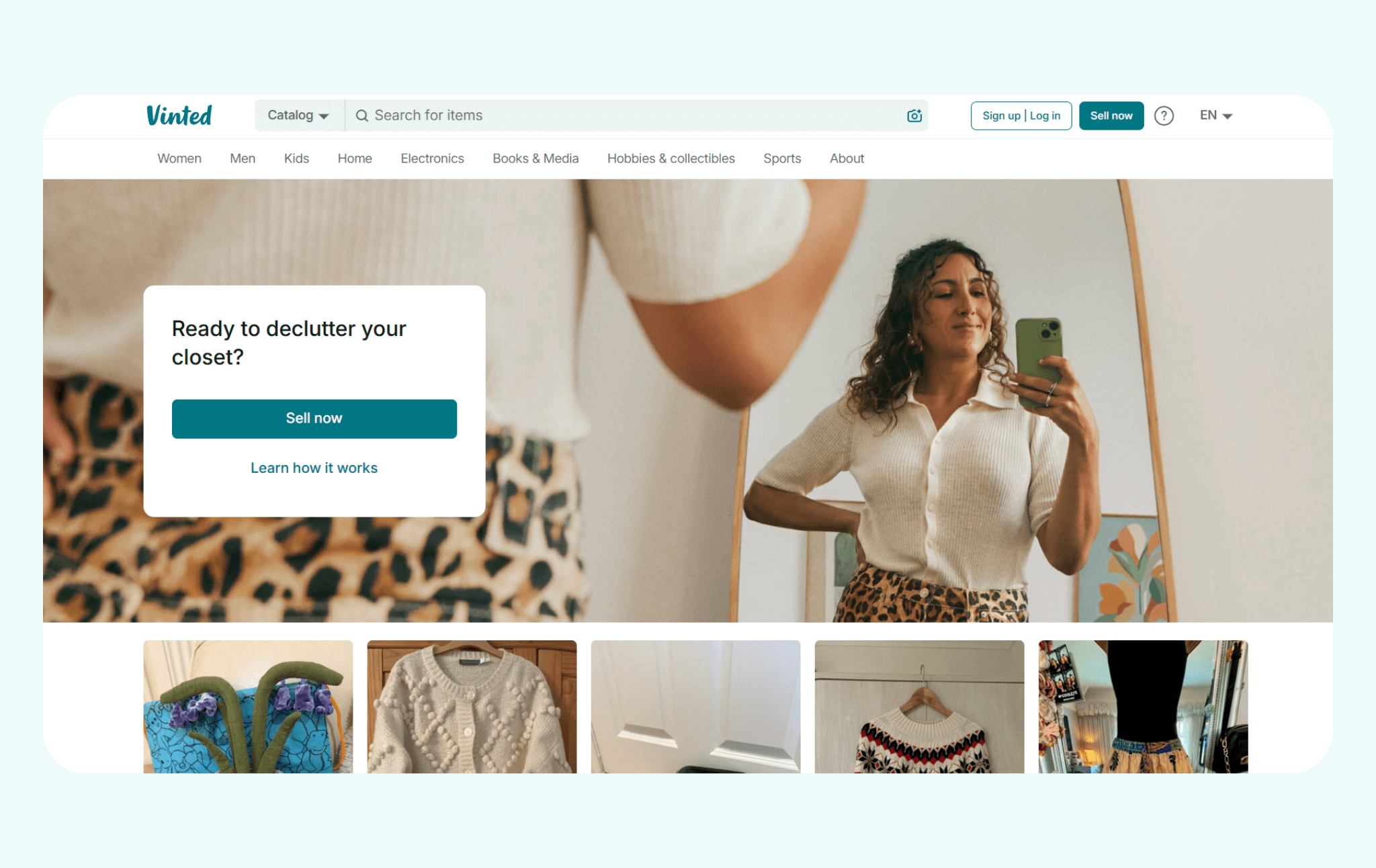
Vinted, a Lithuanian company that primarily serves the European market (22+ countries), expanded in the United States on November 13, 2025, beginning with a New York pilot market as its latest North American growth strategy. The platform has over 100 million users. You can list secondhand clothing, electronics, sporting goods, shoes, and accessories without paying commission, unlike platforms that take 10–20% percent per sale.
Depop vs. Vinted: Feature-by-feature comparison
Think about whether you're building a brand or just clearing out clothes. Depop gives you tools to create a shop with personality; your style and posts help attract buyers over time.
Vinted cuts out all that extra work. List your items, set your price, and wait for someone to buy. Neither approach is better, but one will feel more natural to you. Success comes from picking the platform that fits how you prefer to sell.
Listing experience
Depop listing experience
Depop’s listing experience centers on social-style discovery and visual branding. Its Instagram-like feed lets buyers scroll, follow sellers, and engage with posts.
You can create a unique and aesthetically pleasing storefront through Depop’s curated visuals and creative photography to reach Gen Z and Millennial shoppers. Depop’s selling features, such as AI-generated descriptions, can help you make more sales. However, users report disliking the lack of an opt-out option as well as false flags from community counterfeit reports.
The platform will reward you with Depop Top Seller status if you meet these performance standards:
- Earning $1,000 in monthly sales (consecutively for 4 months)
- Maintaining a 4.5-star rating
- Shipping 90%+ of orders within 5 days
- Keeping your refund rate below 5%
Depop Top Sellers get several perks, like a verified badge to improve their listings, priority support, early access to features, and invitations to community events.
Vinted listing experience
Vinted uses search and category browsing to match buyers with listings. Keywords, sizes, brands, and location filters determine most of the visibility.
The interface prioritizes browsing over social engagement. It doesn’t offer promotional tools, so you’ll need to rely almost entirely on organic search to drive sales. However, listing on Vinted is fast and simple: Upload photos, write a description, select a category, and set a price through an easy mobile-first interface.
The platform also allows bundling up to 5 items into a single listing to help move inventory efficiently. Vinted does not support bulk uploads, CSV files, or mass importing, which limits scalability for high-volume sellers.
My verdict
This one’s a tie because the optimal listing experience depends on your target market and selling style. Depop wins for sellers who rely on branding, aesthetics, and social-style engagement. It rewards creativity and helps build a following, especially among younger buyers.
But if you want a fast and simple listing experience, Vinted takes the cake. It enables organic search-driven visibility without relying on social strategies. Vinted leans on traditional SEO signals instead of social engagement.
Fees and payouts
Depop fees and payouts
Depop doesn’t charge platform fees for U.S. or U.K. sellers. The platform eliminated seller fees for U.S. and U.K. sellers back in 2024. U.S. sellers only pay a 3.3% + $0.45 payment processing fee on every transaction; similarly, U.K. sellers pay 2.9% + £0.30 per order.
Sellers outside the U.S. and U.K. must pay a fee: Depop charges a 10% seller fee, plus additional payment processing charges. The platform calculates fees on the whole transaction amount, including shipping, and deducts them before making the payout.
U.S. sellers get paid 2 business days after delivery or 10 days after the sale. Funds typically take 2–5 business days to hit your bank account.
Vinted fees and payouts
Vinted charges no seller fees, so you keep your full sale price. Buyers cover all costs through service fees of about 3–8% plus a small fixed charge, depending on order value and location.
The tradeoff is that these fees increase total purchase costs, and some buyers view them as too high. As a result, they may look for similar products on other reselling websites.
Once the buyer confirms that everything is correct, or 2 days pass after delivery without any issues, your payment becomes available in your Vinted Wallet.
My verdict
Although Depop charges sellers a minimal transaction fee, Vinted’s 0% seller fees make it the winner. Vinted also has an advantage with payouts because it releases funds roughly 2 days after the buyer confirms delivery. This timing is, on average, slightly faster than Depop.
Audience and demand
Depop audience and demand
Depop’s audience is primarily Gen Z and younger Millennials, who shop in the same way they scroll through social media. They want individuality, standout visuals, and trend-driven pieces rather than mainstream basics.
These younger buyers demand contemporary classics, vintage items, streetwear, and one-of-a-kind garments. High-visual, authentic vintage pieces consistently outperform generic items, and buyers will pay more for anything that helps them stand out. On Depop, the presentation matters just as much as the product.
Vinted audience and demand
Vinted attracts budget-conscious buyers who prioritize practical, well-maintained clothing, electronics, and sports gear at fair prices. Its audience ranges from teens to adults who are everyday shoppers seeking affordable basics and familiar brands they already trust.
Popular categories include mid-range fashion labels and accessories. Although Vinted allows you to sell used electronics and home goods, sellers note that Vinted buyers demand clothing the most.
Buyers care most about clear photos, accurate descriptions, and honest condition details rather than styled imagery.
My verdict
My verdict on Vinted vs. Depop, regarding audience and demand, is a tie. The best platform for you depends on what you sell and your audience. Depop is the stronger match if you sell clothing to younger, fashion-focused buyers and rely on social-selling tools.
Vinted is a better fit if you sell secondhand, budget-friendly clothing. The platform also lets you sell other items like electronics, which gives you more options than Depop. But most Vinted buyers visit the platform to shop for clothing.
Shipping
Depop shipping
Depop used to offer flexible shipping options with international options, customized rates, and prepaid labels. However, Depop now requires most sellers (especially new and recently created accounts) to use Depop’s built-in shipping system, which provides a prepaid USPS shipping label. Depop determines the cost based on weight tiers.
You can ship worldwide (by opting in to international shipping on each listing); international shipping rates typically range from $15 to $40 or more. Note that Depop does not provide international labels, so sellers must arrange international shipping when necessary.
Vinted shipping
Vinted charges buyers for shipping, adding the cost automatically at checkout. The platform uses the USPS for standard shipping within the U.S. and sends sellers a prepaid shipping label as soon as an item sells.
Rates vary based on package size and the distance between buyer and seller. The prepaid label arrives in your email and Vinted inbox for easy printing. If your item is too large to ship with Vinted’s integrated options, you can offer custom shipping through any carrier of your choice.
My verdict
It’s a tie. Neither platform offers true full shipping flexibility for new or most casual sellers in the US. Both Depop and Vinted require integrated, tracked labels, and neither allows you to freely set your own rates or choose any carrier, except for oversized items on Vinted.
Depop is convenient for simple, domestic USPS shipping. Vinted is convenient for automatically generating labels, having buyers pay for shipping, and providing a quick fulfillment process.
What real users are saying
I checked sources like Trustpilot, Reddit, and the Better Business Bureau to bring you feedback from actual users:
Depop pros
- Honest sellers: One buyer noted that Depop sellers have been consistently reliable, and they’ve never had a problem receiving their items. (March 3rd, 2025)
- Excellent support: One reviewer said that the staff responded quickly and helpfully when a problem arose during checkout. (November 13th, 2025)
- Depop is a legit site: A reviewer stated that Depop is generally reliable as long as buyers vet seller profiles and reviews. If there’s a problem, Depop’s support team can help resolve issues and secure a refund. (January 25th, 2025)
Depop cons
- Depop’s dispute system is unfair to sellers: One user argued that Depop’s dispute process leaves sellers unprotected. They described selling an authenticated vintage blazer, being falsely accused of selling a fake, and watching Depop remove their review while allowing a defamatory one to stand. (April 8th, 2025)
- Sides with buyers: A seller claimed that even though the buyer had acknowledged the item’s flaws before purchasing, Depop still forced them to issue a refund. (August 8th, 2025)
- Nonexistent support: One user reported being scammed after buying a coat for their son and receiving neither the item nor a refund after three weeks. They said Depop showed little response and failed to properly vet sellers, leaving them feeling the site was untrustworthy. (November 12th, 2025)
- Restricted shipping options: A few users expressed irritation with the platform for taking away the option to arrange their own shipping. They noted that new Depop sellers are now forced to use Depop’s shipping options. (September 2nd, 2025)
Vinted pros
- Reliable: A user praised Vinted as a trustworthy and convenient platform, noting that it supports both buyers and sellers well and still releases payment even when shipments arrive late or go missing. (April 26th, 2025)
- Overall, a positive vibe: A user highlighted Vinted’s affordability and wide selection, mentioning great deals on costumes and dresses. They appreciated the ability to haggle, the genuine product photos, and the clear communication from sellers. (August 2nd, 2025)
- Simple use: A seller was satisfied with the fact that Vinted has easy search filters and a smooth, navigable interface. (December 19th, 2024)
Vinted cons
- Bad seller support: A user shared strong frustration with Vinted, pointing to nonexistent customer service, ignored emails, and ongoing worries about scams and tax compliance. (August 13th, 2025)
- Too many scams and weak verification: One reviewer warned that Vinted isn’t safe for selling high-value items. They said scam buyers cost them both money and merchandise, claiming Vinted always sides with buyers. (April 23rd, 2025)
- Enables fraud and fails to protect sellers: A seller claimed that Vinted unfairly sided with a buyer who called a non-branded bag “fake,” granting a refund while letting them keep the item. (November 5th, 2025)
How to make your choice
Choosing either Depop or Vinted depends on your products, selling style, and long-term goals. To make your life easier, I tested both marketplaces and found the following points of difference:
Depop is better for …
- Selling fashion pieces to a specific audience: Depop attracts Gen Z and Millennial buyers who look for vintage, Y2K, and trend-driven items. This style-focused community often pays premium prices for unique, curated pieces that stand out from standard retail.
- Social-media-savvy sellers: Buyers on Depop gravitate toward strong branding, styling, and visuals. If you aim to create aesthetic listings, cohesive shop identities, and engaging profiles, you can build loyal followings that increase repeat sales.
- Earning perks through seller programs: The platform’s Top Seller program benefits high-performing shops with increased exposure, priority placement, and credibility badges. By maintaining strong sales and stellar customer service, you can earn better visibility and more sales opportunities.
Vinted is better for …
- Selling budget-friendly fashion: Vinted’s buyer base looks for affordable, everyday pieces rather than high-end or highly curated items. It is strong for moving basics, mid-range brands, children’s clothing, and seasonal clear outs quickly because buyers are focused on practicality and low prices.
- Earning maximum profit margins: With zero seller fees, Vinted lets you keep the full sale price. It works well for sellers who prioritize earnings and want to avoid commissions that reduce margins.
- Casual or low-volume selling: Vinted suits individuals who list items occasionally, rather than running a curated shop. Its simple listing flow and low maintenance requirements make it easy to sell without major time commitments.
Depop vs. Vinted: My verdict
Depop caters to fashion-focused sellers, particularly those specializing in vintage and trend-driven styles. It offers low fees, strong margins, and a social-media-inspired layout that rewards branding and creativity. Sellers who enjoy curating looks on a social media feed, styling photos, and building a recognizable shop identity tend to see the strongest results.
On the other hand, Vinted is geared toward clothing and accessory sellers (plus, there are no seller fees!). Although you can try your luck selling toys, permitted electronics, and sports gear, the platform works best for moving practical, budget-friendly items. Overall, Vinted buyers are more motivated by deals than Depop’s fashionista crowd.
The marketplace you choose depends on your goals and your preferred method of selling. If you want higher-value sales and enjoy creating a visually appealing brand, Depop is the better fit. If you prioritize ease, speed, and keeping every dollar of your earnings, Vinted will serve you better.
Manage your listings on 5 platforms with Nifty
Now that you know all the differences between Depop vs. Vinted, it’s time to consider crosslisting and automation tools that make reselling a breeze. Nifty lets you manage your listings all from one clean interface.
Here’s why Nifty helps you win on any marketplace:
- AI-generated listings: Snap a photo and let Nifty generate SEO-ready titles, descriptions, tags, and item details. Fast, accurate, and built for sellers who want listings done right the first time.
- Crosslist instantly: Post to Depop, Poshmark, eBay, Mercari, and Etsy (more coming soon!) with a couple of clicks. No more copy-paste or playing hopscotch with tabs.
- Automatic delisting: When an item sells on one platform, Nifty auto-delists it from all other platforms. No double-selling, no awkward cancellations.
- Bulk tools that cut your workload: Relist, share, discount, update, and organize dozens of items at once. You can even schedule drafts to publish while you sleep.
- Know your numbers: Track sales, fees, inventory, and profit across Depop, eBay, and every other connected marketplace in a single analytics dashboard.
Nifty pays for itself after a few weeks. Start your 7-day free trial and see why over 10,000 sellers use Nifty to increase their bottom lines.
FAQs
1. Depop vs. Vinted: Which is better?
Neither Depop nor Vinted is better than the other. Each platform appeals to different seller and buyer types. Depop is the stronger option for trendy, vintage, and contemporary classic fashion, targeting Gen Z and young Millennial buyers who value aesthetics and branding. Vinted is better for everyday basics, children’s clothing, and budget-friendly items that appeal to practical shoppers.
2. Is Depop or Vinted cheaper for sellers?
Vinted is cheaper than Depop for sellers because it charges sellers 0% in fees, so you get to keep your entire listing price. The platform makes money by charging buyers a 3–8% fee. On the other hand, Depop charges U.S. sellers a small 3.3% plus $0.45 processing fee per transaction, U.K. sellers pay 2.9% + £0.30 per order, and international sellers pay an additional 10% platform fee.
3. Is Depop better than Vinted for selling vintage clothing?
Yes, Depop is better than Vinted for selling vintage clothing. Depop’s Gen Z and Millennial audience actively seeks vintage pieces from the ’90s and 2000s. These buyers often pay premium prices for curated items with strong visual presentation. Vinted attracts budget-conscious buyers who prioritize practical basics and budget over unique vintage finds. Note that older vintage (1940s–1980s) and timeless classic pieces sell better on eBay or Etsy.


.png)
.png)
.png)