
Online selling fees comparison: Discover earnings on 10 platforms | 2026
.png)
Looking for an online selling fees comparison? Facebook Marketplace charges 0% for in-person pick-ups, Depop only charges a 3.3% + $0.45 transaction fee, while Etsy fees can exceed 20%. Compare seller commissions and transaction fees across 10 platforms to see how much profit you could make on a $150 sale.
Online selling fees comparison: At a glance
To compare selling fees, I used a hypothetical listing: $150 Nike Air Force sneakers sold with standard shipping across each platform. My calculations include marketplace fees, payment processing fees, and shipping costs when charged to the seller.
Actual costs vary by category and shipping method. But my comparison shows how much profit sellers generally keep on each platform.
1. eBay fees
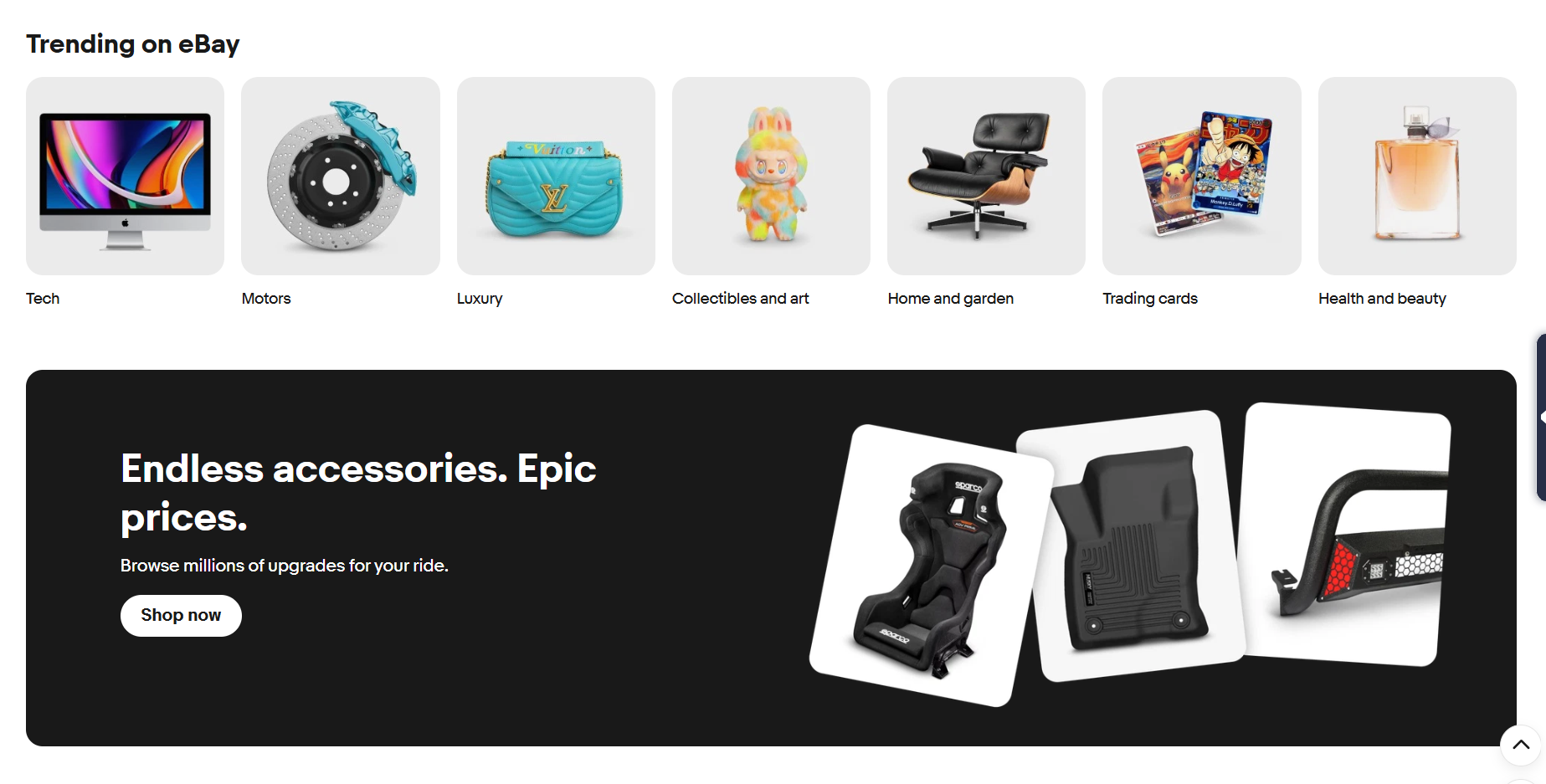
eBay charges a final value fee on the total transaction amount, which includes shipping. The platform allows the sale of nearly anything legal, so it has a complex fee structure. However, you can generally expect to pay between 13% and 15%, on average.
However, the marketplace charges only 8% on men’s sneakers that are at least $150, and my Nike Force listing fits right into that category. eBay transactions of over $10 have a final value fee of $0.40, while the marketplace takes $0.30 for transactions under $10.
So here’s the breakdown for my example:
Seller fee: $150 (including shipping) * 8% = $12
Final value fee: $0.40
Profit: $137.60
Best seller fit
eBay works well for sellers who want to drive up prices through silent auctions while also being able to offer buy-it-now listings. It’s a great fit for used items, collectibles, and niche products. The platform has a large audience of ~135 million, which gives you a deep buyer base to work with. Success depends on factors such as pricing, competition, and your seller rating.
2. Whatnot fees

Whatnot charges a seller commission of between 4% and 8%, depending on category. Sellers pay the following fees:
- 2.9% + $0.30 payment processing fee on all transactions
- 4% seller fee on coins and money. After $1,500, you pay 0% (for a limited time).
- 5% seller fee on all electronics (U.S. only)
- 8% seller fee on collectibles such as comics, anime, toys, and hobbies. For a limited time, after $1,500, you pay 0%.
- 8% seller fee on all other categories
Here’s how my $150 sneaker example breaks down:
Seller fee: 8% = $12
Transaction fee: 2.9% + $0.30: $4.65
Profit: $133.35
Best seller fit
Whatnot suits sellers offering collectibles, trading cards, and sneakers. The platform added 20 million new accounts in 2025 alone. Because the marketplace offers live selling, it’s a great fit for outgoing folks who love getting in front of the camera. This capability can help you drive up prices, but you’ll need to spend time building an audience.
3. Mercari fees
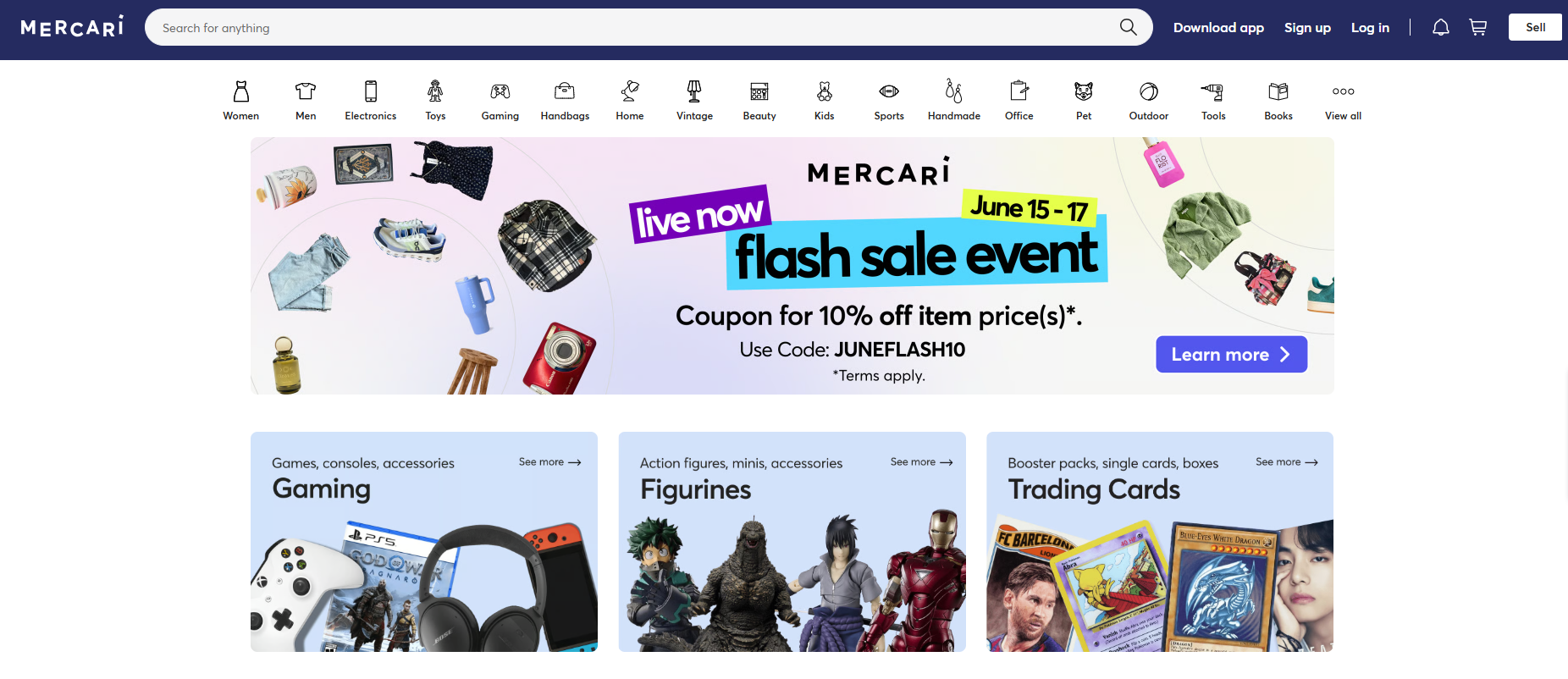
Mercari has a simple, straightforward 10% fee on every listing created after January 6th, 2025. This fee includes shipping. Listings created before then are charged 2.9% + $0.50. But most sellers will indeed pay the 10% fee. Here’s the $150 Nike Air Force breakdown:
Seller fee: 10% = $15
Profit: $135
Best seller fit
Mercari has ~23 million monthly active users. It works best for casual sellers offloading household goods, clothing, and electronics. It's an eBay alternative for folks who don’t need the selling tools or international reach. But it draws buyers seeking deep discounts, so brush up on your haggling skills.
4. Poshmark fees
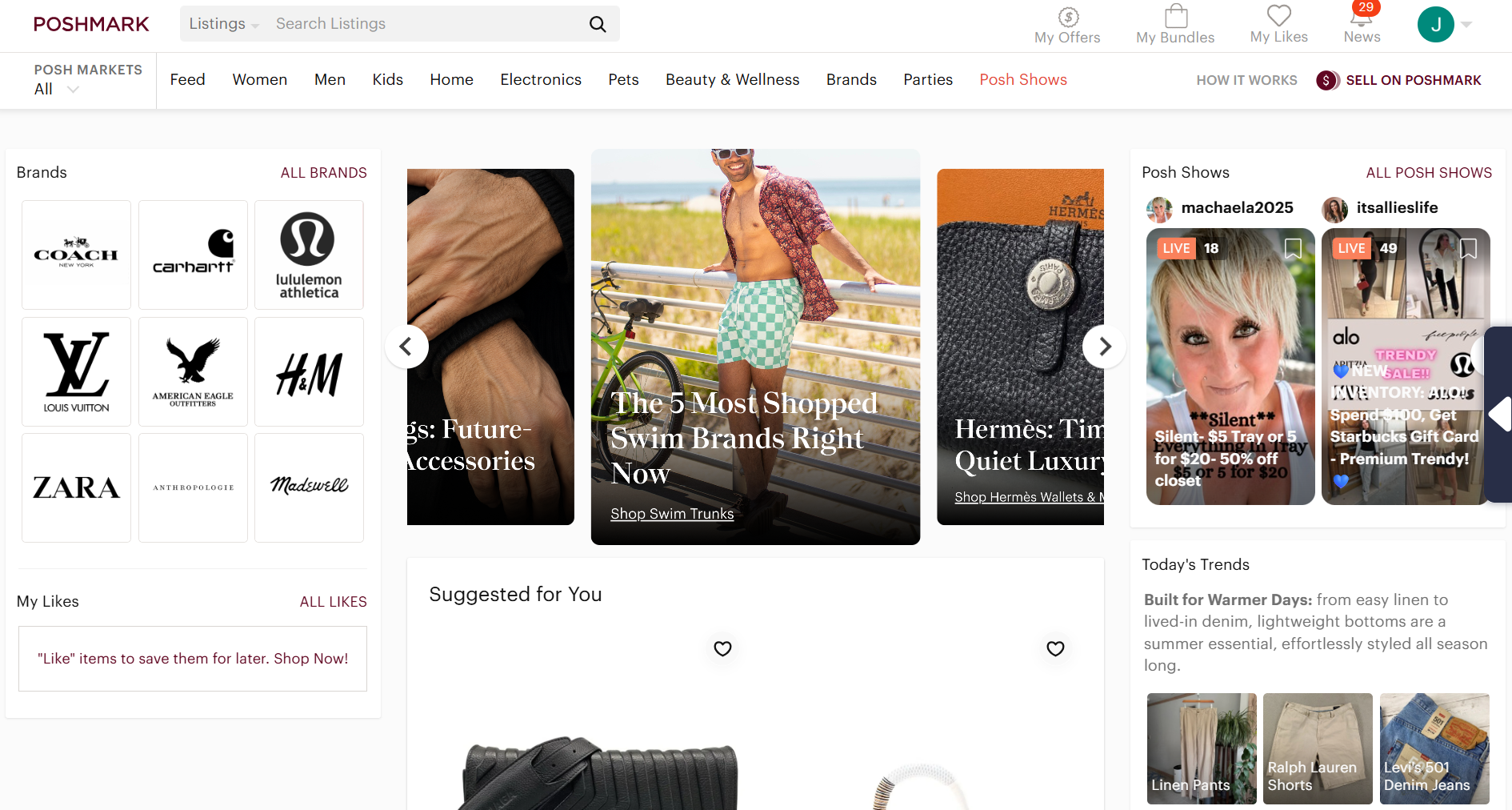
Just like Mercari, Poshmark charges a flat fee, but it’s 20%. Let’s look at my sneaker example:
Seller fee: 20% = $30
Profit: $120
Best seller fit
Poshmark, with over 130 million North-American users, suits sellers who offer fashion accessories, streetwear, and sneakers. Sellers who find success on Poshmark actively use social media features such as sharing, following, and liking. You can also host live auctions, similar to those on Whatnot, but Poshmark isn’t a “live-streaming-first platform.”
5. Depop fees
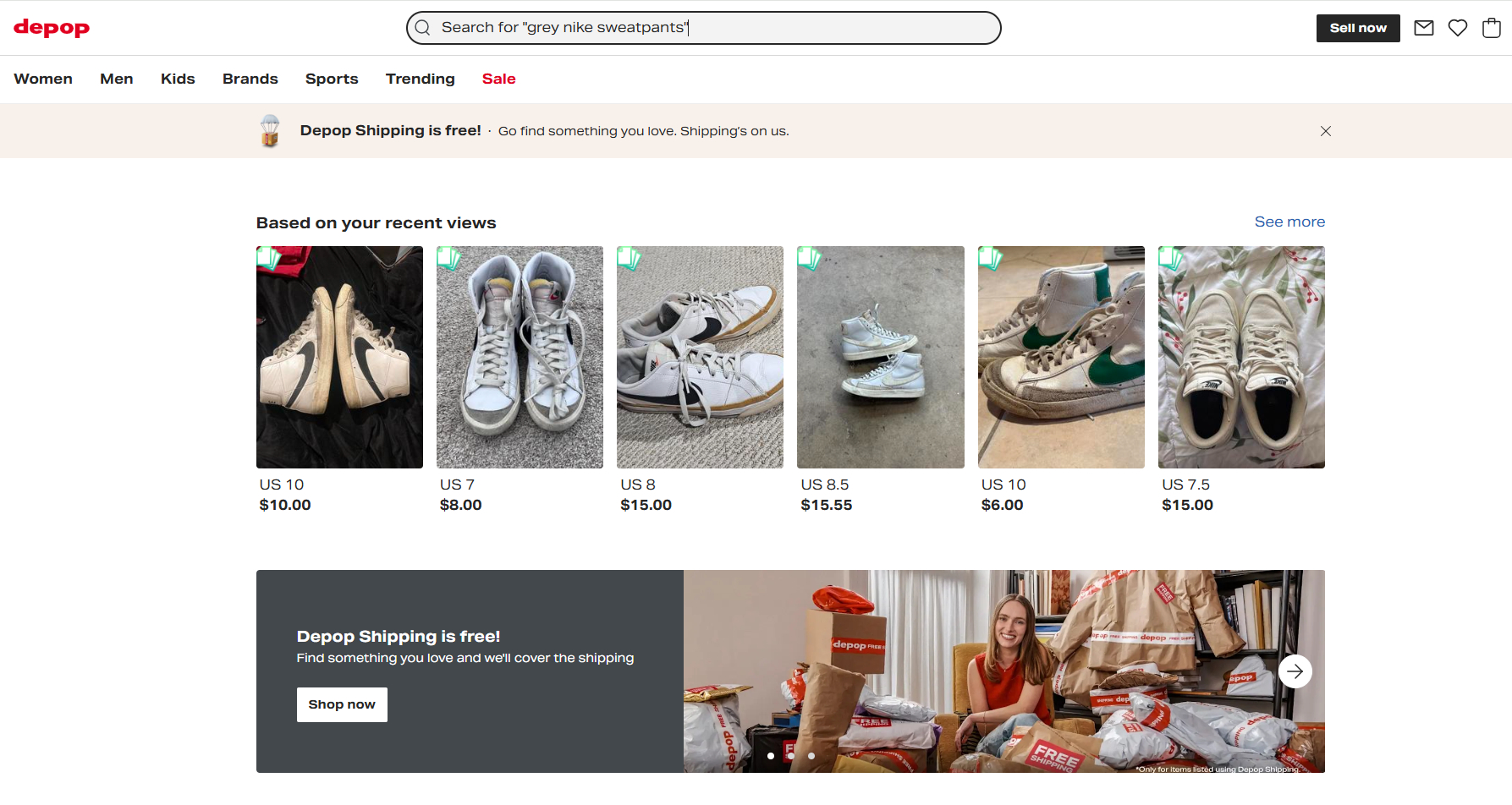
Depop eliminated its 10% flat fee back in 2023. For U.S. sellers, the platform only charges a fee of 3.3% + $0.45 per transaction. However, older or non‑U.S. listings may still see the legacy 10% commission. Here’s how much Depop takes from my sneaker sale:
Transaction fee: 3.3% + $0.45 = $5.40
Profit: $144.60
Best seller fit
Depop is ideal for streetwear, fashion, and sneaker sellers, especially those who are targeting Gen Z and young Millennials. You can reach around 56 million buyers in 50+ countries. Like Poshmark, the platform has social selling features such as liking and following.
6. Etsy fees
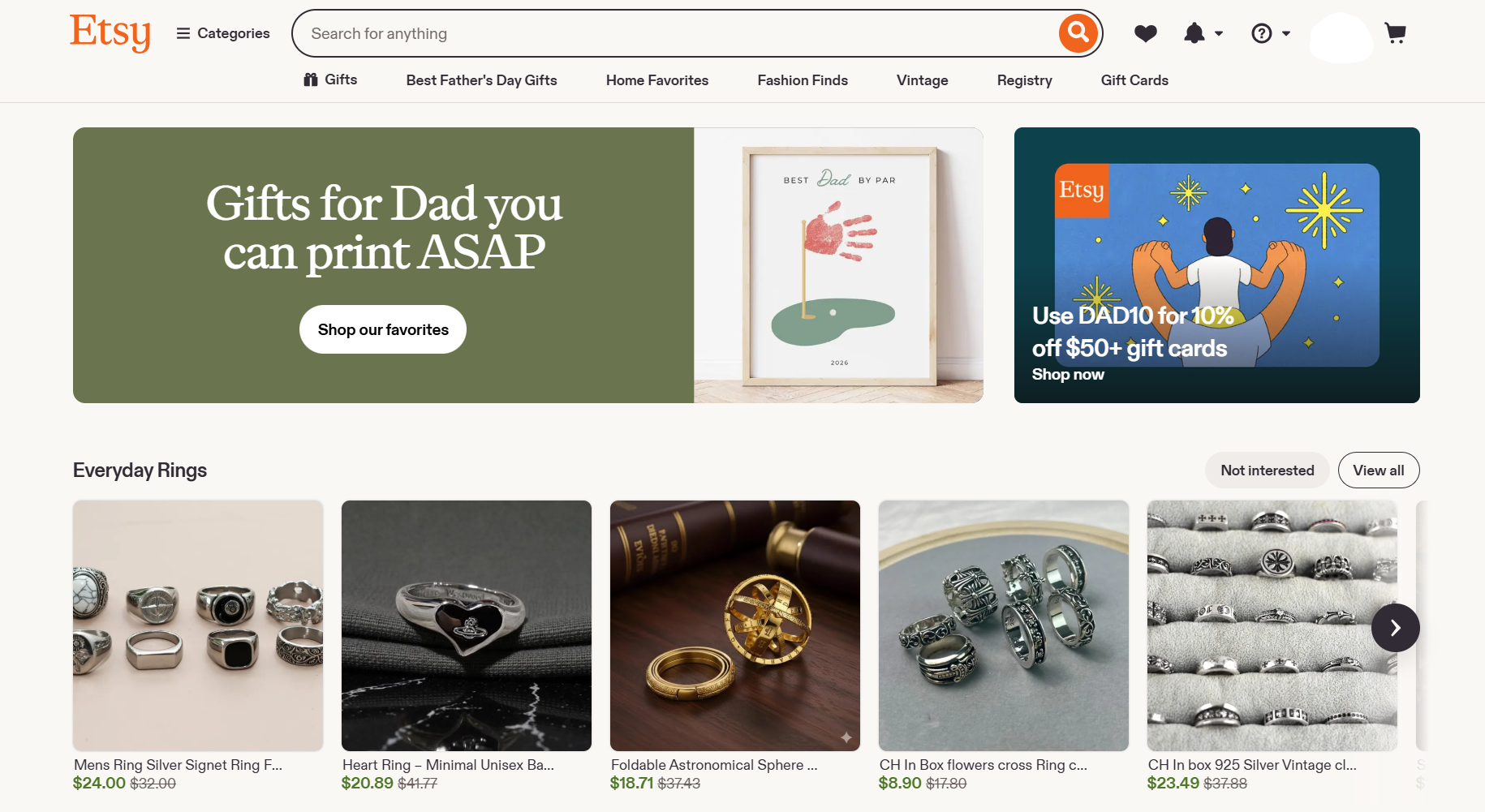
Etsy ties eBay for the most complex fee structure. It charges a $0.20 listing fee per item (which covers 4 months, then you pay again), a 6.5% sales commission fee, and a 3% + $0.25. But if your Etsy shop makes over $10,000 in revenue, you pay a mandatory 15% Offsite Ads fee. Etsy gives you the chance to elect Offsite Ads for only 12% if your shop sells under $10,000.
The platform also has very strict rules about what you can sell. It only lets you sell handmade goods, craft supplies, and vintage items (including clothing) over 20 years old. Luckily for my example, Nike released their Air Forces in 1982, so let’s explore how Etsy’s fees affect my profits on a vintage pair of these sneakers:
1. No off-site ads
Listing fee: $0.20
Transaction fee (6.5%): $9.75
Payment processing (3% + $0.25): $4.75
Profit: $135.30
2. Offsite Ads, <$10,000 in yearly revenue:
Listing fee: $0.20
Transaction fee (6.5%): $9.75
Payment processing (3% + $0.25): $4.75
Offsite Ads fee (12%): $18
Profit: $117.30
3. Offsite Ads, >$10,000 in yearly revenue:
Listing fee: $0.20
Transaction fee (6.5%): $9.75
Payment processing (3% + $0.25): $4.75
Offsite Ads fee (15%): $22.5
Profit: $112.80
Best seller fit
Etsy fits handmade, vintage, and craft supply sellers. It has around 86.5 million buyers, but you’ll need to optimize your Etsy listings so you can get more buyers to your shop. Because Etsy offers unique vintage items and high-quality handmade goods, many buyers are willing to pay higher prices.
7. Facebook Marketplace fees
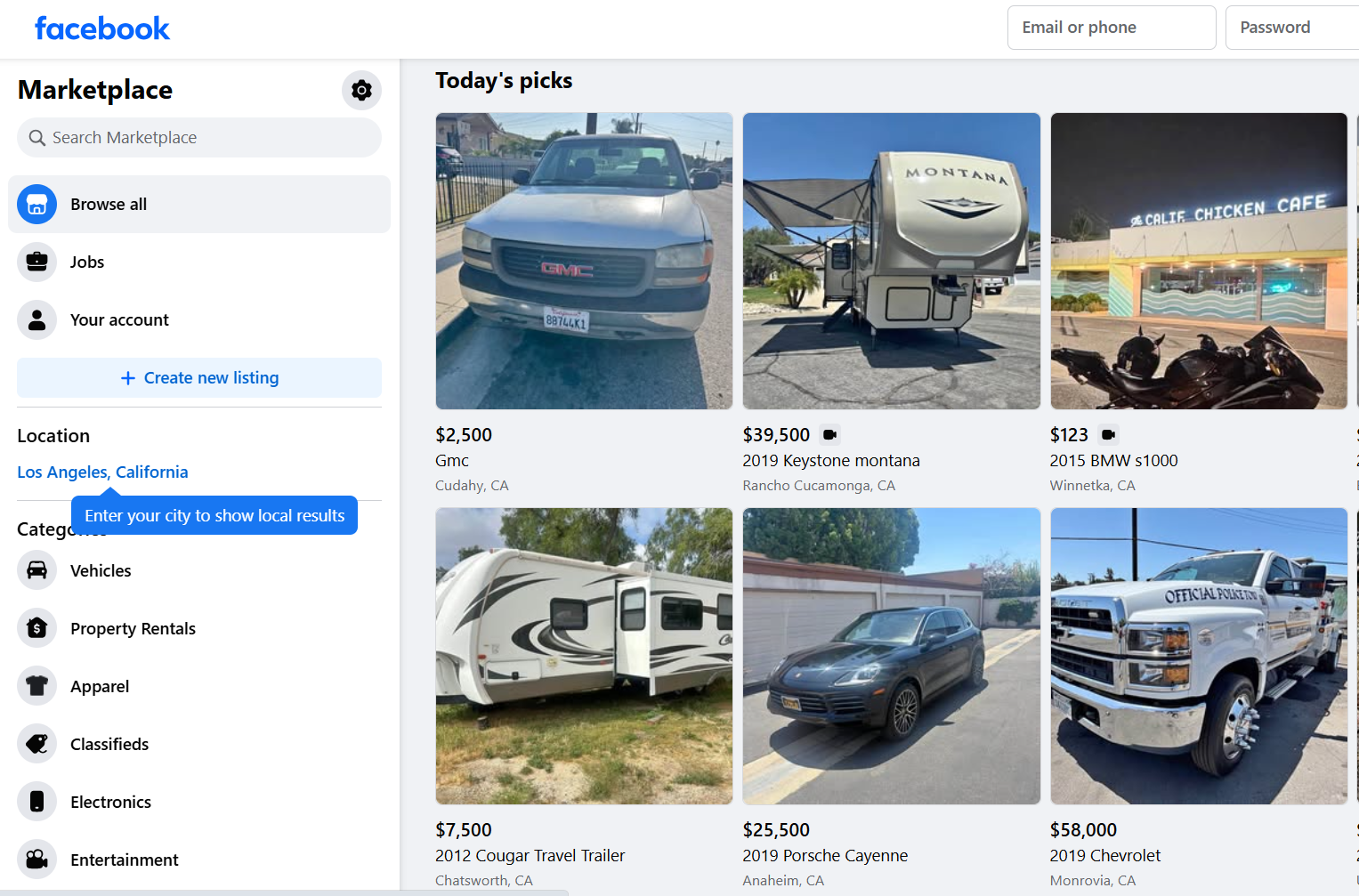
Facebook Marketplace charges zero fees for in-person pickups. If you sell within the platform, it charges a flat 10% rate with a minimum charge of $0.80. If I meet a buyer in person to sell my Nike Air Forces, I keep the entire $150 profit.
Here’s a breakdown if I sell within the platform:
Seller fee (including shipping): $15
Profit: $135
Best seller fit
Although Facebook Marketplace is a feature of the 3-billion-plus social media site, it mainly fits sellers offering goods and services to local buyers for pickup. Many folks sell bulky items that are expensive to ship, such as furniture, golf clubs, and even cars, on the marketplace. Just be prepared to haggle.
8. Bonanza fees
After the one-time marketplace set-up fee of $14.99, Bonanza takes an 11% final value fee + $0.25 transaction fee. The platform then charges a 1.5% flat fee for sales over $4,000. Its minimum fee is $0.50.
I’ll get the following profit from selling my Nike Air Force sneakers on Bonanza:
Final value fee (11%): $16.50
Transaction fee: $0.25
Profit: $133.25
Best seller fit
Bonanza fits sellers offering fixed-price listings in categories like fashion, home goods, and collectibles. It also appeals to independent sellers who value storefront branding and customization.
9. Grailed fees

Grailed charges a 9% seller fee plus a transaction fee of 3.49% + $0.49 domestically or 4.99% + $0.49 internationally if you’re onboarded with Stripe. If you’re from a Stripe-eligible country but not onboarded, you’ll pay 3.49% + $0.99 domestically or 5.49% + $0.99 internationally. Sellers from non-Stripe eligible countries pay 4.99% + $0.49 for all transactions.
This is my Nike Air Force breakdown for a sale within the US, assuming I’m onboarded with Stripe:
Seller fee (9%): $13.50
Transaction fee (3.49% + $0.49): $5.73
Profit: $130.77
Best seller fit
If you sell high-end fashion wear and accessories, Grailed is for you. Since being acquired by the GOAT Group in 2022, Grailed is part of a global community of over 60 million members across GOAT Group's five brands. It has a verification program that helps check for authentic products, but it’s not 100% perfect.
10. Vestiaire Collective fees
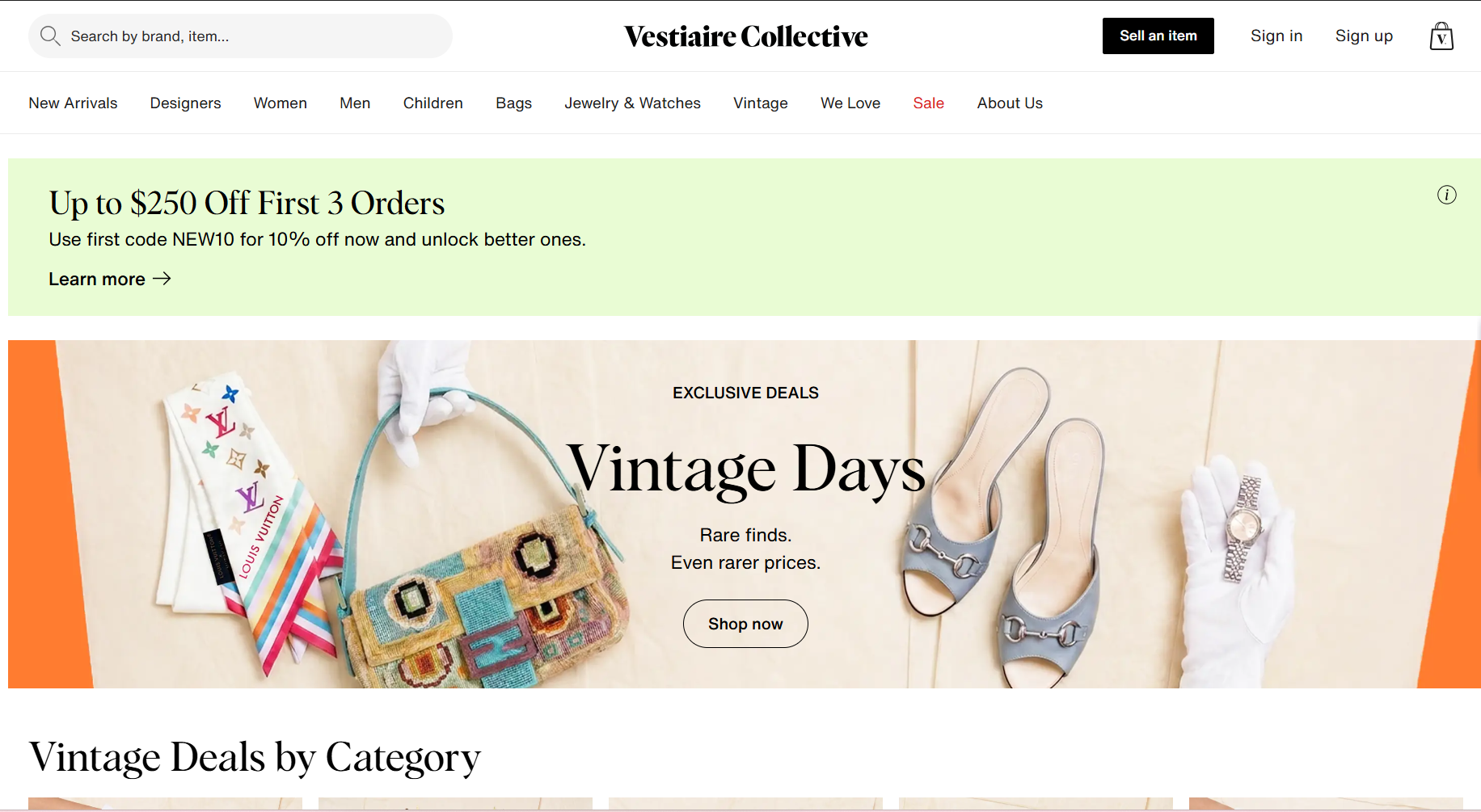
Vestiaire Collective takes $10 on sales up to $83, 12% on sales from $83 to $16,667, and $2,000 on sales over $16,667. No matter what the final sale fee is, Vestiaire always charges a 3% payment processing fee.
Here’s a look at the Nike Air Force example:
Sales commission (12%): $18
Payment processing fee (3%): $4.50
Profit: $127.50
Best seller fit
Vestiaire fits sellers offering high-quality, luxury products. The platform inspects listed items for authenticity and even offers buyers an authenticated shipping option: When buyers select this method, you ship to a Vestiaire center, where professionals verify the item, and then send it on to the buyer.
How to choose the right marketplace
After analyzing the fee structures, audience sizes, and profit on my pair of sneakers across these platforms, I determined how to choose the right one for your needs:
Choose eBay if you ...
Want to reach 135 million global buyers through auction-style or fixed-price listings for used items, collectibles, and niche products.
Choose Whatnot if you ...
Love live selling and offer collectibles or sneakers, and look forward to building your own audience.
Choose Mercari if you ...
Need a simple platform to clear out your clothing, electronics, or household goods.
Choose Poshmark if you ...
Want to sell fashion and sneakers on a social-first platform with 130 million North American users.
Choose Depop if you ...
Are a fashion seller targeting Gen Z and Millennial buyers and want the lowest fees.
Choose Etsy if you ...
Sell handmade or vintage goods to buyers willing to pay a premium for unique finds.
Choose Facebook Marketplace if you ...
Make local, in-person sales for bulky or high-value items like furniture or appliances.
Choose Bonanza if you ...
Want a customizable storefront with fixed-price listings for fashion, home goods, or collectibles.
Choose Grailed if you ...
Sell high-end streetwear and designer fashion to serious buyers with a verification program backing authenticity.
Choose Vestiaire Collective if you ...
Sell expensive, very high-end fashion to a luxury-focused buyer base willing to pay premium prices.
Manage your listings with Nifty
Now that you've compared online selling fees across platforms, it’s time to consider managing listings on several different platforms so you can reach more buyers and fatten your bottom line. But don’t do this the manual way. Try Nifty. It lets you manage items from one simple command center, so you save time and maintain your sanity.
But Nifty does so much more, like:
- Customized AI listing: Snap a pic and let Nifty's AI build a boss-level listing, with SEO-optimized titles and descriptions, and trending hashtags already filled out for you. You can even customize how AI writes your listings to follow your unique style.
- Crosslist now: With a couple of clicks, post your items across Whatnot, Poshmark, eBay, Mercari, Depop, and Etsy. No copy-paste clutter and no multi-tab hopscotch. (More marketplaces coming soon!)
- Automatic delisting? Handled: When you make a sale, Nifty's sales detection auto-delists that item from every marketplace. Say goodbye to double-selling disasters and "sorry, it's already gone" apology messages.
- Bulk tools = no busywork: Share and relist daily in just a few clicks. You can even schedule drafts to go live while you sleep and set automatic discounts that run deeper over time.
- Analytics and profits are real: Track sales, fees, top performers, and slow movers in one clean dashboard, so you can actually see what's working and what's just dead space. You can also set and track seller goals directly from your home screen.
Nifty pays for itself in just a few weeks. Start with a 7-day free trial and see how Nifty helps you reach more buyers and manage fees across 6 platforms.
FAQs
1. What online selling platform has the lowest fees?
Facebook Marketplace has the lowest fee, at 0%, if you opt for in-person pickups. But when you pay on the platform, Depop has the lowest fee. It charges a low processing fee of 3.3% + $0.45 per transaction.
2. Does shipping affect marketplace fees?
Yes, shipping can affect marketplace fees when a platform bases its selling fee on the total order amount (item plus shipping), regardless of whether you use its labels or your own. Buyers usually see shipping added to the item price at checkout. But how that shipping cost is treated for fees depends on each marketplace’s rules.
3. Which selling platform is best for beginners?
Mercari is the best for beginners. It has a straightforward flat 10% fee and no complex fee tiers. The platform’s simple structure helps new sellers accurately forecast profits, which helps cut the guesswork that causes most beginners to underprice their items.


.png)
.png)
.png)